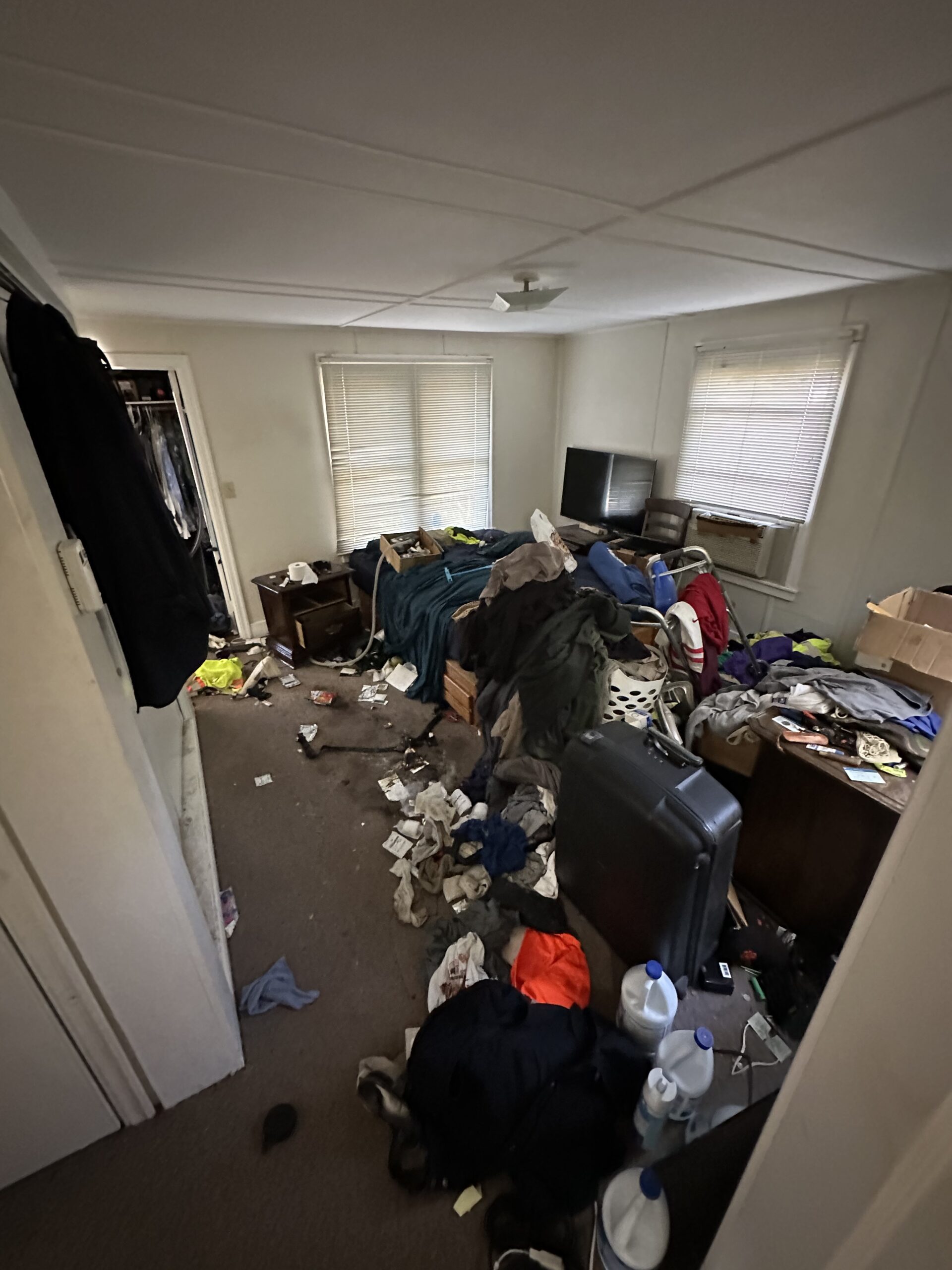
Junk removal services and do-it-yourself dump runs both offer ways to clear unwanted items, but the true cost difference often comes down to more than the price tag. Junk removal rates vary by amount or waste kind, whereas DIY dump trips require a vehicle, landfill fees, and potentially assistance and equipment. There are hidden costs, including fuel, time, and potential injury, that can pile up for DIY runs. Certain regions will have stringent dumping regulations or charge varying fees by load volume or material. To prove which is cheaper, it’s useful to compare all the costs and time involved with each. The main body will break these details down and demonstrate some real-life examples.
Table of Contents
ToggleKey Takeaways
- Detailed junk removal cost calculations for DIY dump runs need to factor in vehicle rental or usage fees, fuel costs, disposal fees, your time, and the physical toil of back-breaking labor, all of which can add up fast.
- Junk removal companies will generally give you a clear quote for labor, equipment, transportation, and all disposal fees, making the process convenient and efficient, particularly for large or complicated projects.
- Surcharges and potential property damage or medical costs from injuries could make buried costs that tip the scales in paying a professional’s favor.
- This is where the value of time comes into play. The labor of investing personal hours into sorting, loading, and transporting junk may trump potential savings, especially for those with busy lives or limited availability.
- You can be more environmentally responsible going pro, too, as junk removal companies frequently use green disposal methods and follow local laws. This reduces their environmental footprint and potential legal liabilities.
- DIY junk removal is best for smaller loads, when appropriate vehicles are on hand, and when you aren’t in a rush. Professional help is frequently cheaper for big volume, hazardous items, or tight timelines.
The DIY Dump Run Breakdown
A DIY dump run might sound more economical up front, but the true cost is much more than just the landfill fee. This breaks down each key component: car expenses, fee, time, and labor so you can see the complete picture.
Vehicle Costs
- Truck rental is usually the first thing for bigger hauls. Prices vary significantly, from $20 for a mini pickup for a couple hours to over $700 per day for a large moving truck. If your own car is too small, renting is hard to circumvent for sofas, mattresses, or big debris piles. Fuel is yet another expense. Bigger loads and longer drives translate to more visits to the pump. For instance, a 50 km return journey with a loaded truck can burn 6 liters or more, depending on the efficiency of the vehicle.
- Some rental services tack mileage fees on, especially beyond a certain number of kilometers. This counts up quickly if the dump is a distance or you require multiple trips, which is typical of large clearouts. Remember additional equipment. Tarps, bungee cords or straps that will be needed to keep items secure and prevent any fines for items falling out onto the road. These costs are smaller, but can still add up.
Disposal Fees
- Landfill fees are typically calculated by weight or load. For example, the cost ranges from ten to eighty dollars per metric ton.
- Not all recycling centers charge less for sorted materials. Some do, and prices vary.
- Certain items such as electronics, mattresses, or paint typically incur additional fees.
- Big items can be twice as much as regular loads.
- Certain locations provide guidelines on sorting or isolating toxic materials. Not adhering to them can translate to hefty fines.
Now, comparing disposal sites can save you cash, but not all of them take every type of junk. Laws count as well. Disposing of stuff the wrong way can take you to court or just cost you more.
Time Investment
Sorting, loading, and hauling all takes longer than most people expect. One DIY dump run can gobble up half a day—sometimes more. If you need to segregate recyclables or hazardous materials, count even more hours. Multiple trips just extend the torture, transforming a Saturday project into an all weekend affair. Traffic or long waits at congested dumps can add even more time, particularly in cities.
Physical Labor
Heavy lifting is hard. Lugging used sofas, appliances or debris bags threatens back injuries if you don’t have the proper technique or equipment. Even with assistance from friends or family, the wear and tear is genuine, particularly for white collar types like me, who aren’t accustomed to physical labor. Even larger jobs sometimes leave folks sore or overwhelmed, and the danger of injury increases with the volume. Most don’t realize how strenuous it is, mind and body. Occasionally, the task is just too massive to tackle solo.
The Professional Service Breakdown
Professional junk removal services sound easy and fast. The devil is in the details when it comes to true value. Detail, detail, detail. This is what you receive for the rate, how labor is managed, what equipment is used, and how disposal works. Each impacts not only the price but the experience and outcome as well.
Quoted Price
When you request a quote, obtain it from a minimum of three companies to check the scale. Some provide a flat rate, while others charge by cubic meter or weight. A simple pickup can run around $125, but full truckloads or heavy jobs quickly climb to over $700. Be sure to verify whether the quote includes additional charges for heavy or dangerous materials, like old appliances or construction waste. Request a breakdown of any potential fees in advance. This spares you from shock bills after the work is over and allows you to shop services on a level playing field.
Included Labor
Nearly all services dispatch crews of two or more movers, professionally trained to transport belongings efficiently and securely. These crews employ synchronized lifting techniques and safety procedures, resulting in less chance for anyone to get hurt or damage your place. With a skilled crew on hand, it’s amazing how often things get done in a day or, if you get booked early enough, even a matter of hours. For those without assistance or who cannot lift heavy boxes, the labor that’s built into professional service is a huge advantage. Unlike DIY, you don’t need to arrange helpers or injure yourself.
Equipment Use
Professional junk haulers arrive with dump trailers, lifting equipment and safety equipment. These aids allow them to manage cumbersome or unwieldy weights with minimized danger. Renting comparable equipment as a private individual is often more expensive than you’d think, particularly if you only require it once. With access to specialized vehicles, it means fewer trips to a landfill or recycling center, which saves time. Using the proper tools reduces the risk of incidents, such as dropped furniture or scratched floors.
Disposal Method
Inquire as to how your garbage will be treated. A lot of companies shred and recycle what they can, or donate items that are still good. It cuts down on landfill waste and can benefit local charities. Most services adhere to local and national waste laws, so you’re not responsible for illegal dumping. Responsible disposal can be trickier with DIY dump runs, especially if facilities are distant or have heavy restrictions. Professional eco-stewardship reduces the environmental footprint.
Junk Removal vs DIY Cost Comparison
Junk removal has a complicated cost calculus that extends beyond just the cost of hiring a truck or paying a disposal fee. Both have obvious costs and hidden dangers. The bottom line is more than just dollars; it’s time, strife, and sustainability. Below, we’ve deconstructed the comparison into tangible points for readers around the globe.
- Vehicle rental or ownership costs
- Fuel and maintenance expenses
- Disposal and landfill fees
- Labor (self or hired help)
- Supplies for packing and moving junk
- Hidden surcharges, including weight/volume fees and special handling
- Time investment and opportunity cost
- Medical or safety-related expenses
- Environmental and regulatory compliance fees
Upfront Expenses
DIY junk removal often begins with a rental truck or dumpster. Truck or dumpster rental runs around $380 a week. Include fuel, which fluctuates by geography, and landfill fees that can be anywhere from $20 to $100 a load. Wrapping and securing supplies, such as straps, gloves, and heavy-duty bags, could tack on another $30 to $50. On just one trip, the costs can easily hit over $500, particularly if you need multiple loads or specialty disposal.
Professional junk removal often means a flat rate based on volume. The minimum fee for a one-eighth truckload is $75 to $125, while a full truckload can reach $800. For single items, they range from $60 to over $400 for large pieces. Professionals are more expensive upfront, but labor and disposal are all included. The upfront savings of DIY are easily negated when you factor in supplies and multiple trips, particularly for large clear-outs or heavy, bulky items.
Hidden Fees
DIY jobs can encounter surprise expenses. If you overload your rented truck, you can be charged for going over weight limits. Certain items, such as mattresses or appliances, may need to be disposed of separately, with charges ranging from $75 to $250. Hazardous waste disposal can be between $150 and $300, and if you pack it incorrectly, it can result in additional dump fees. Pro services will sometimes add fees for stairs, distance or same-day appointments. These concealed expenses make even a small DIY project pricier than initially assumed.
Time Value
DIY junk removal takes several hours for most people. Sorting, lifting and dump runs can extend to a weekend or more. If your time is worth just $25 an hour, a solid weekend equals $400 in lost productivity. They can clear most homes in just a few hours, giving you the time to spend on work, school, or family. The opportunity cost of the DIY approach is frequently overlooked. Time wasted can outweigh all small up-front savings.
Physical Risk
DIY junk removal is rough on the body. Heavy lifting, awkward loads, and unsafe conditions are serious hazards. Lifting or accident-related injuries can lead to medical bills, missing work, or chronic pain. Professional teams use training, equipment, and team lifting to reduce these risks. The price of one injury, such as a clinic visit, medication, or lost wages, can be much greater than any DIY savings. For bigger or more dangerous tasks, professionals provide reassurance.
Environmental Impact
Professional junk removal companies tend to have their own recycling and disposal regulations. A lot of services sort, recycle electronics, and donate what’s reusable, meaning less landfill waste. DIY may not always comply with local regulations or best practices, increasing the risk of fines or environmental damage. Discarding electronics, paint, or chemicals in the wrong way can pollute. Selecting green services or using a recycling center can minimize your carbon footprint, but it’s hard work and requires knowhow to DIY.
The True Cost of “Free” Labor
Although it’s common to ask friends or family for assistance as a means to save money on junk removal, there is a hidden price in this methodology. About: The Hidden Price of ‘Free’ Labor Lost time, injury risk, strained personal relationships, and subpar outcomes all contribute, frequently making professionals a better value. Research reveals that we overvalue the savings of free labor and downplay the hidden costs, both economic and psychological.
Personal Injury
There’s a greater risk of injury when employing untrained friends or relatives. Lifting heavy objects, carrying awkward furniture or sharp debris without adequate education can result in strains, sprains, or more. Emergency room visits for back injuries or dropped items can range from hundreds to thousands of dollars, depending on the country and health care system. Safety measures such as proper lifting technique, gloves, and strong shoes are frequently bypassed in informal environments, increasing the risk of injury.
Professionals are trained and insured, so it’s less risky for you and those assisting. Their expertise and gear minimize the risk of injury. This peace of mind, knowing no one will get hurt or be hit with massive medical bills, is a huge component of what you pay for.
Property Damage
Rookie aides can scuff floors, ding walls or shatter objects. Even little what-not-s circa dropping a washing machine down the stairs can cost more than bringing in the pros. Grace for scratched wood floors or chipped paint may seem like minor things until you calculate the material and labor costs.
Our expert removal teams utilize padding, dollies and other tools to safeguard your space. Their training includes how to transport large or heavy items safely. Liability insurance means that any accidents are covered. With DIY, you could be liable for the expenses and your insurance likely won’t pay for harm caused by inexperienced assistance.
Lost Opportunity
Scenario | Time Spent (hours) | Potential Lost Income (€) |
DIY Junk Removal | 6 | 125 |
Professional | 1 | 0 |
Hours hauling garbage are hours away from work, studying, or sleep. Your income or career can be impacted by a missed meeting or deadline. If you’re self-employed, every hour wasted can translate to opportunities not taken to create or make. By employing a junk removal service, you’re liberating your schedule and allowing you to concentrate on the things that truly deserve your attention. The secret price of gratis labor is the forgotten value of your time.

When DIY Is Smarter
What’s obvious is that these DIY junk removal cases are the smarter choices. This is largely based on how much crap you’ve got to haul, your available equipment and vehicles, and how much time you’re willing to spend. Understanding these variables can assist you in determining if DIY is more cost-effective and realistic for you as well.
Small Loads
DIY makes the most sense when the junk is small. If it’s just a handful of bags of old clothes, broken appliances, or a few boxes left over after a move, it’s easy to toss these in your own car. There is no need to engage a big agency or pay thousands for services you can do in an afternoon.
Lower loads ensure you can take your own car or a buddy’s hatchback. No added expense for truck or van rental. That’s what makes every run to the local dump or recycling center cheaper and easier. Jumping over to a local site is low stress and takes minimal planning. You can shove these cleanups into your schedule with no additional hires.
Time and effort for little jobs is way less than for clearing out entire houses or large offices. It’s a few things — sorting and packing a few items is doable, and you won’t require any special equipment or assistance.
Available Vehicle
Getting a car prepped is a major point in the DIY column. If you’ve got a station wagon, SUV, or pickup, you’re covered for almost all non-heavy furniture or construction debris type jobs. Taking advantage of your own truck keeps expenses low with no rental fees or insurance on a rental truck.
It’s more convenient. You can dump junk as often as it suits you, instead of waiting for a service slot. This is perfect for small projects or continuous tidying, which requires multiple round trips.
The key is to test your car’s boundaries. Some cars just aren’t cut out for carrying sharp objects or bulky things like old mattresses. If you’re handling things that require special attention, such as electronics or toxic waste, verify once more what your car can responsibly transport.
No Time Pressure
If you’re not on a tight deadline, DIY is much simpler. You can sort, clean, and pack at your own speed, stretching the job out over days or weeks. This flexibility allows you to make smarter choices about what to keep, donate, recycle, or toss.
A chill schedule keeps you sane. You will be able to label boxes, earmark things for recycling and dump runs more smartly. There is less danger of overlooking something significant or making expensive errors in haste.
Best of all, eliminating time pressure reduces stress. You’re not racing to hit a pickup window or paying for expedited service.
When Professionals Are Cheaper
Of course, there are other times when professional junk removal is not only practical, it can be cheaper than a DIY solution. The actual cost depends on a few things such as how big the job is, what kind of items you’re moving, and how urgently you want it done.
Large Volumes
If you’re cleaning up a lot of junk by yourself, that’s quite a few trips to the dump — particularly if you don’t have a big truck. Renting a truck or dumpster is going to cost you anywhere from $20 to $700+ per day, and that’s not even including the cost of fuel, tolls and disposal at the landfill. For a busy person, these excursions easily accumulate — both in terms of time and expense. Professional junk removal teams can empty out entire garages, basements, or even whole homes within hours. They’ve got the boots, the equipment, and the expertise to triage, load and dispose of bulk items quickly. So you’re spared the back-breaking labor and potential self-harm. A lot of providers will recycle or donate usable items, which can reduce disposal costs and serve the community. When the job’s big, the convenience and speed pros provide can make their upfront fee the cheaper alternative.
Hazardous Items
A few things–old paint, batteries, electronics or chemicals–need a little extra TLC when it comes to removal and disposal. Most local dumps are very strict about hazardous waste, and handling it differently can get you in legal trouble or fines. For someone who isn’t a professional, disposing of these wastes responsibly involves looking up information on regulations, locating suitable drop-off locations, and purchasing protective equipment. These measures require time and money. Professionals are made to handle dangerous substances and come prepared with proper safety equipment. The peace of mind that goes with knowing that stuff gets disposed of safely is hard to put a price on. If you bypass the professional path, you’re opening yourself up to potential mishaps, tickets, or even damaging your home, expenses that would greatly outweigh the price of a reliable provider.
Tight Deadlines
It’s the place where professionals excel at meeting tight deadlines. If you’re moving out, selling a property, or otherwise require a quick turnaround, time is of the essence. DIY projects are always delayed by no help, no truck, or snags. Each delay can come with real costs, such as lost sales, lost rent, or landlord penalties. Professionally trained crews can work within stringent timelines, with many offering same day or next-day service. They know how to sort, load, and haul, and get it done within hours. For emergency cleanouts, the proficiency and speed of a professional crew can save you expensive delays and give you that much less to stress about.
Conclusion
Both junk removal and dump runs work well for different people. DIY dump runs are cheaper if you have lightweight material, a means to transport it, and time to spare. Big loads, heavy stuff, or time pressure swing it in the junk crew’s direction. We wrangle fast, know all the local regulations, and clean up the chaos. Surprise expenses can make DIY less cheap than it appears, including truck rental, gas, dump fees, and your labor. So, pair the task with your requirements, your wallet and your schedule. Do both on small projects to see what suits best. Have questions or want to share your own tips? Leave a comment or contact me. Your tale may assist another in making their decision.
Frequently Asked Questions
1. What Is the Main Cost Difference Between Junk Removal and DIY Dump Runs?
They bill for labor, transport, and disposal. DIY dump runs are mostly about fuel, landfill fees, and your time. DIY is more affordable for little loads, but services save time and effort with bigger jobs.
2. Are There Hidden Costs With DIY Dump Runs?
Yes. DIY dump runs require vehicle rental, additional fuel, landfill fees per kilogram, and potential injury or damage. These surprise expenses can pile up fast.
3. When Is Professional Junk Removal More Cost-Effective?
Professional junk removal is cheaper for lots of junk, heavy stuff, or if you don’t have a truck. It saves you time and potential injury.
4. Can I Save Money by Doing Multiple DIY Dump Runs?
Additional trips may drive up prices due to added fuel, time, and landfill fees. If you have multiple loads, a junk removal service could be less expensive and much quicker.
5. What Are the Risks of DIY Junk Removal?
DIY junk removal risks include personal injury, truck damage, and landfill dumping. They are insured and trained to deal with these dangers.
6. Do Junk Removal Services Handle Recycling or Donations?
As a bonus, many junk removal companies sort for recycling or donation. That helps cut down on landfill waste and can be more eco-friendly than a DIY dump run.
7. Is DIY Junk Removal Better for Small Amounts of Waste?
Yes. For small, light loads, DIY dump runs tend to be cheaper. If you only have a few bags or boxes, DIY makes sense. Leave anything bigger to the pros.
Ready to Clear the Clutter Without the Hassle?
Stop stressing over multiple dump runs, hidden fees, and back-breaking labor. Whether you’re tackling a full house cleanout, renovating a space, or just dealing with oversized junk, our professional teams handle it all safely, efficiently, and responsibly. We provide all the labor, equipment, and eco-friendly disposal, so you can reclaim your time—and your space—without the risk of injury or surprise costs. Don’t wait to make your cleanup stress-free. Get a no-obligation quote from Junked by Vets today and see just how easy junk removal can be!
Disclaimer
The materials available on this website are for informational and entertainment purposes only and not to provide legal or professional advice. You should contact your attorney or home improvement specialist for advice concerning any particular issue or problem. You should not act or refrain from acting based on any content included in this site without seeking legal or other professional advice. The information presented on this website may not reflect the most current home improvement developments. No action should be taken based on the information on this website. We disclaim all liability concerning actions taken or not taken based on any or all of the contents of this site to the fullest extent permitted by law.