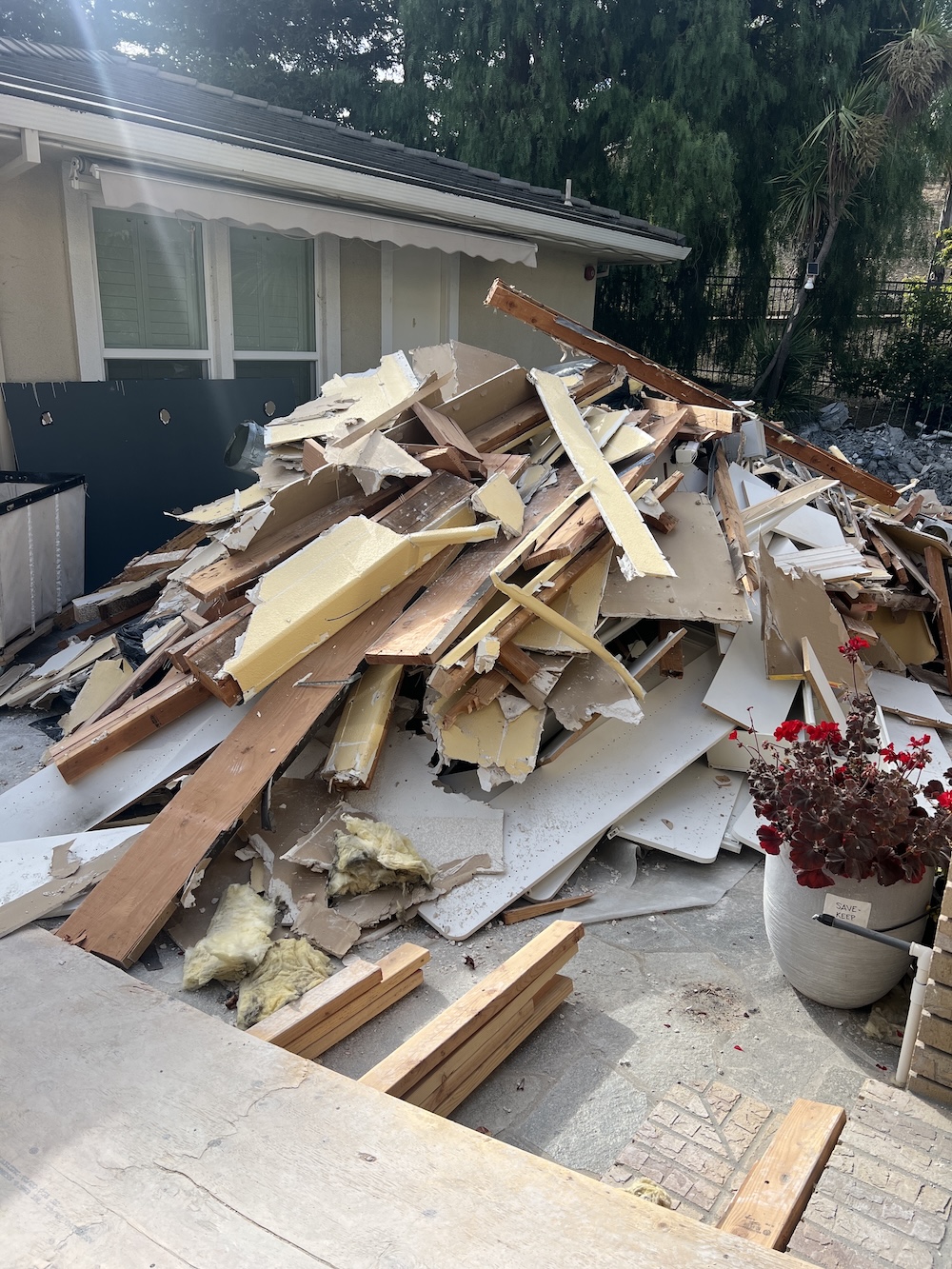
To select the ideal property cleanout company, see how each team compares, find out if they have proper licenses and insurance, and read candid reviews from others. Many of us require cleanout assistance when we’re moving, managing estate transitions, or just have to get rid of junk quickly. Good firms display their labor prominently, demonstrate transparent pricing, and discuss safety. Some crews have their own trucks, while others just rent bins or partners. Property cleanout companies with reasonable pricing and friendly people tend to receive great reviews. So how do you pick the right property cleanout company? Below are critical steps and practical advice on making this selection.
Table of Contents
ToggleKey Takeaways
- Property type, debris scope, special handling — when you clearly identify these factors upfront, you will be able to weed out services that do not fit or cannot handle your cleanout within your timeframe.
- Making sure the company you hire is licensed, insured, and compliant with local regulations safeguards you from liability and ensures professionalism in the cleanout process.
- By comparing service options, customer feedback, and upfront pricing from several companies, you find the best fit for your needs and budget.
- Selecting companies that show compassion, transparency, and value for your privacy is important, particularly when dealing with sensitive cleanouts or sentimental items.
- Getting your property ready in advance by saving valuables, clearing a path, and double confirming everything with the cleanout team makes the process easier and less prone to miscommunication.
- Filling out a post-cleanout review, paying transparently, and giving feedback help make a great experience and assist us in continuing to improve our service.
Assess Your Project Scope
Step 1: Evaluate your project scope. It provides a framework for defined goals, aids in allocating appropriate resources, and avoids squandering hours or dollars. A well-developed scope outlines your requirements and priorities, which helps you compare quotes, establish a budget, and foresee difficulties.
Property Type
It matters what kind of property you want to clear. A commercial office tower, a single-family house, or a city apartment each carries its own requirements. A multi-floor home with garden sheds might necessitate squads equipped with specialized implements, whereas a boutique would likely involve much after-hours labor. If the property is still occupied, the cleanout company may have to work around tenants’ schedules or coordinate with building managers. Empty lots usually mean less scheduling conflicts but can mean more cleanup. Big properties, like warehouses over 500 square meters, imply more junk, more people, and maybe even permits for dumpsters or trucks. Narrow hallways, steep stairs, or restricted parking will bog things down and require special equipment or arrangements.
Debris Volume
Guess how much junk you must junk. If you’ve got three rooms of old furniture, the work is less than a whole building full of construction debris. Divide the debris into categories: broken chairs, outdated tech, leftover tiles, or scrap metal. More rubbish means a larger vehicle, additional journeys, and possibly a larger invoice. Bulky or hard-to-move items, like pianos or refrigerators, might require additional personnel or lifting equipment, which increases fees. If you anticipate lots of junk, inquire with the company about their disposal practices and the duration of the work so you can establish a reasonable deadline.
Special Items
Certain projects include materials with special considerations. E-waste, batteries, or leftover paint may be controlled in your area. 1. Antiques or family heirlooms might require appraisal instead of disposal. Find out if the company provides this. If it’s a hoarding case or estate cleanout, you need specialty services. Be sure to inform the company of any sentimental items so nothing irreplaceable is tossed by accident.
How to Choose the Best Property Cleanout Company
Choosing a property cleanout company is a process that requires careful research and attention to detail. The right choice saves you time, minimizes risk, and guarantees your property is treated with respect.
Evaluate Services
Not every company provides the same services. Some specialize in estate cleanouts, while others focus on eviction or hoarding scenarios. Be sure they can manage what you require, from relocating oversized furniture and hazardous waste to post-work cleans. Inquire about their equipment, as some tasks require heavy-duty tools or specialized trucks. Flexible scheduling is important to many people on strict timelines, so verify whether the company has this option.
A few companies even provide repairs, which is great if you’re trying to prep a property for sale or rent. Little extras like these can really tip the scale with your ultimate decision.
Scrutinize Disposal Methods
A quality company will be transparent regarding their disposal methods. Find out whether they recycle and donate reusable and eco-friendly items. Some of the leading companies boast sustainability rates of up to 80% due to recycling and reuse. If that’s your gig, ensure they are versed in hazardous waste. Ask for a breakdown of their disposal fees so you know what you’re being charged for.
Demand Pricing Clarity
Obtain a COMPLETE quote prior to work starting. This needs to encompass all potential fees, so you aren’t caught off guard down the road. Inquire if a deposit is required and which forms of payment are accepted. Prices may vary based on the volume of debris or special handling requirements. Compare quotes to ensure you’re receiving fair value, not the lowest price.
Gauge Professionalism
See how the company talks. Fast, straightforward answers are usually a sign of superior service. Were they punctual for our initial appointment? Did they respect your space and belongings? Bright, clean uniforms and clean equipment are indicators they take their work seriously. The best crews care about both the property and the process, keeping your best interests in mind every step of the way.
The Vetting Process
Identifying the right property cleanout company is more than clicking the first name online. The process needs a checklist focused on key criteria: check for certifications, professional memberships, years of experience, and proof of liability insurance. These things vet good companies from those who might skimp or be underinsured. Noting down each step — company names, the pros and cons, pricing and services — provides a great reference record for comparison. It’s important that you walk the property before and after the cleanout. This guarantees that nothing gets missed and allows you to gauge the service. Matching the company’s resources to your project size matters, too. Smaller jobs need less, but big sites might need full teams working over days. Vet, vet, vet. Researching a dozen firms versus taking the first one that’s available or cheapest gives you bargaining leverage and peace of mind.
Reading Reviews
Sites such as Google and Yelp provide a window into actual customer experiences. Searching for consistent compliments or grumbling reveals what a company does best and worst. Reviews citing the same sort of cleanout you require—estate, foreclosure, commercial, etc.—are particularly valuable. Occasionally, reviewers talk about how the team dealt with hard work, surprise hurdles or VIP requests. If a review raises questions, don’t hesitate to contact the reviewer for additional context.
Asking Questions
Inquire with targeted questions to understand the company’s procedure and trustworthiness. Ask about their experience with projects similar to yours and how they handle items that require special handling or disposal. Ask about their safety processes. Are workers trained? Does the company have insurance if something goes awry? Clarify cancellation, scope change, or unexpected finding policies during the job. These responses help establish expectations and prevent misunderstanding down the line.
Comparing Quotes
Get written quotes from multiple companies, detailing not only prices but what’s included, such as labor, disposal, transportation, and insurance. Important questions include vetting process hidden charges that could pop up down the road, such as fees for hazardous waste or oversized items. Value counts as much as the bottom line; sometimes a bit more expensive signifies better service, faster turnaround, or a stronger guarantee. Check the fine print for service warranties or money-back policies to cover you in case things go awry.
The Human Element of Cleanouts
A property cleanout is not just about removing clutter and outdated belongings, but about letting go on a very real human level, often associated with loss, a significant transition, or an accumulation of past experiences. For most, it shatters the psyche, complicates decluttering decisions and physically drains you as you wade through a lifetime of possessions. A company’s philosophy and strategy around these human elements influence the result as much as logistics or price.
Compassion
Select a crew that really cares when you’re raw. There is a human element of cleanouts. When families dig through an estate cleanout, the burden of grief and memories can stall every move. A business should educate its employees to treat these heartstrings-tugging moments with care and dignity, not haste. The smartest companies are listening to millions of cleanouts. You need someone on your team with options—sorting beside you or silently getting the job done if you need space. Human touches might lead to additional time to sort keepsakes, organize donations, or assist with paperwork. Firms that customize to your situation and allow room for tough choices demonstrate genuine caring.
Communication
About: The human element of cleanouts.
Steady, clear contact counts in a cleanout. You must have a pulse on what is going on, when, and what is next. See if the company walks you through every step and checks in frequently. Great teams respond to inquiries quickly, update plans if you rethink, and smooth over tough conversations. They speak in plain English, not gobbledygook, so you are always clear on what they say. You should feel heard whether you are inquiring about sorting rules, pickup times, or the fate of donations. The human factor of cleanouts.
Discretion
A cleanout reveals personal items, aging correspondence, cherished snapshots, or confidential documents. Find companies with strong privacy policies and employees that have respect for everything. Inquire about how they maintain the security of your data and possessions and whether they gossip about client projects beyond their immediate circle. The right service trains its crew to keep quiet about your situation and handle sentimental items with care. This saves your confidence and safeguards your pride during a tough procedure.

Preparing for the Service
A well-prepared property cleanout helps you avoid errors and stress. Begin by creating a to-do list, such as organizing materials, labeling valuables, and verifying information with the cleanout service. Don’t just toss stuff until you run it by your liquidator—good stuff gets missed. Break down items into groups: keep, donate, sell, or discard. This approach prevents miscommunication and accelerates the flow of work for both of you.
Set Aside Valuables
Walk through every room and identify anything of worth, such as jewelry, family portraits, financial records, or sentimental keepsakes. Store these away, well out of the cleanout zone. Take inventory by making a list or taking photographs. This simplifies things in case questions arise later and keeps everyone on the same page. Inform the cleanout crew which items are untouchable. Label the area so that nothing is inadvertently stolen or trashed. If you can, box up personal items and move them to a locked room. This easy move safeguards your interests and avoids miscommunication.
Clear Access Paths
Inspect all doors, steps, and halls to find if anything obstructs the path. Take up loose rugs, boxes, or small furniture. There’s heavy equipment and there’s bulky trash that needs room to maneuver. For work done in your apartment or multi-floor building, inform the crew of tight stairs or complicated corners. Highlight areas requiring additional attention, particularly if you have antiques or fragile objects in close proximity. This keeps the work secure and rapid. The easier it is for the crew to access everything, the quicker the cleanout proceeds.
Confirm the Plan
About: Getting Ready for the Service – Have a meeting with the cleanout company in advance. Go through the plan step by step. Discuss the junk, dumpster size, and state rules for estate sales or waste. List any last-minute changes you made, like relocating valuables or including additional donation items. Finalize timing and designate a day-of-contact. This helps in resolving issues immediately and updates everyone. Once everything is laid out, both parties know what is going to happen.
Post-Cleanout Actions
These post-cleanout actions are just as vital as picking the right company. These steps protect your interests, establish that you fulfilled all agreements, and prepare your property for a seamless turnover to its next occupant.
Final Walk-Through
Tour the house with the cleanout crew. Inspect every room, closet, and even outside to ensure all the junk is gone. Check corners, cabinets, and those hard-to-reach places for any missed debris. Make notes of areas that require additional cleaning or special attention. For example, if the kitchen floor remains stained or a closet retains hangers, record these deficiencies. Make sure we didn’t inadvertently toss any personal or valuable items. Bring an inventory list if you have one and cross-check it against what’s remaining. Inquire of the crew concerning anything that strikes you as unfamiliar or unexpected. It’s the time to request tips on ongoing maintenance or additional services, like deep cleaning or repair recommendations. Be sure to keep those inspection reports and contractor notes in a folder for future reference.
Settle Payments
Go through the invoice carefully. Just be sure the prices align with what you pre-negotiated before work began. All charges should be transparent, with no hidden fees. Do question if something is unclear or off. Ask them what payment options they have, such as credit card, bank transfer, or cash, and select the one that suits you. Immediately settle any balance due to complete the process. Be sure to get a receipt for your records, as it can come in handy for tax filing or future reference. If you schedule additional cleanouts, inquire about discounts or specials.
Provide Feedback
Tell your story, great or horrible CA, with the company via direct and online reviews. Be specific: mention if the team worked quickly, handled items carefully, or followed eco-friendly disposal methods such as donating or recycling. It supports the company and directs other folks making a similar decision. If there are issues, provide specific recommendations on what can be improved such as timeliness or communication. If you are satisfied, maybe refer the company to friends or co-workers who could use these services. Holding on to the receipts of the process fuels not only your bragging rights but your future needs, particularly for taxes or insurance.
Conclusion
To choose the right property cleanout company, consider your requirements, review their expertise, and arrange a personal consultation. Trust crews that provide upfront rates, have heavy equipment, and respond quickly. Great crews arrive promptly, carefully sort your items, and leave the space clean and secure. Look for obvious signs of integrity such as excellent reviews and tangible evidence of projects completed. The right team will respect your space, appreciate your time, and make you feel comfortable throughout every step. Need more tips or how to get ready for your next cleanout? Jump into the discussion on my blog, submit your own questions, and share your stories with the community.
Frequently Asked Questions
How do I know if a property cleanout company is trustworthy?
Make sure they have the proper licenses, insurance, and good customer feedback. Trusted companies will be upfront about their prices and will answer your questions with integrity.
What should I consider before hiring a property cleanout service?
Evaluate your scale, junk, and special requirements. That way, you find a company with appropriate skills and equipment.
Why is it important to compare multiple cleanout companies?
By comparing companies, you can evaluate prices, services, and experience. This way you know you’re getting the best value and professional service.
How can I prepare for a property cleanout service?
Go through your stuff and decide what needs to be gotten rid of. Clear access paths and share your needs with the company before they arrive.
Are property cleanout companies environmentally responsible?
Many of the more reputable companies recycle and donate usable items. Inquire about their disposal process to make sure it is environmentally responsible.
What should I do after the cleanout is complete?
Tour the area, verify all contracted services are complete and make final payment. Leave feedback to assist future users in picking the right company.
Is it necessary to be present during the cleanout process?
It’s nice to be on-site, particularly for big or delicate jobs. Your presence guarantees that directions are obeyed and questions are addressed promptly.
Disclaimer
The materials available on this website are for informational and entertainment purposes only and not to provide legal or professional advice. You should contact your attorney or home improvement specialist for advice concerning any particular issue or problem. You should not act or refrain from acting based on any content included in this site without seeking legal or other professional advice. The information presented on this website may not reflect the most current home improvement developments. No action should be taken based on the information on this website. We disclaim all liability concerning actions taken or not taken based on any or all of the contents of this site to the fullest extent permitted by law.