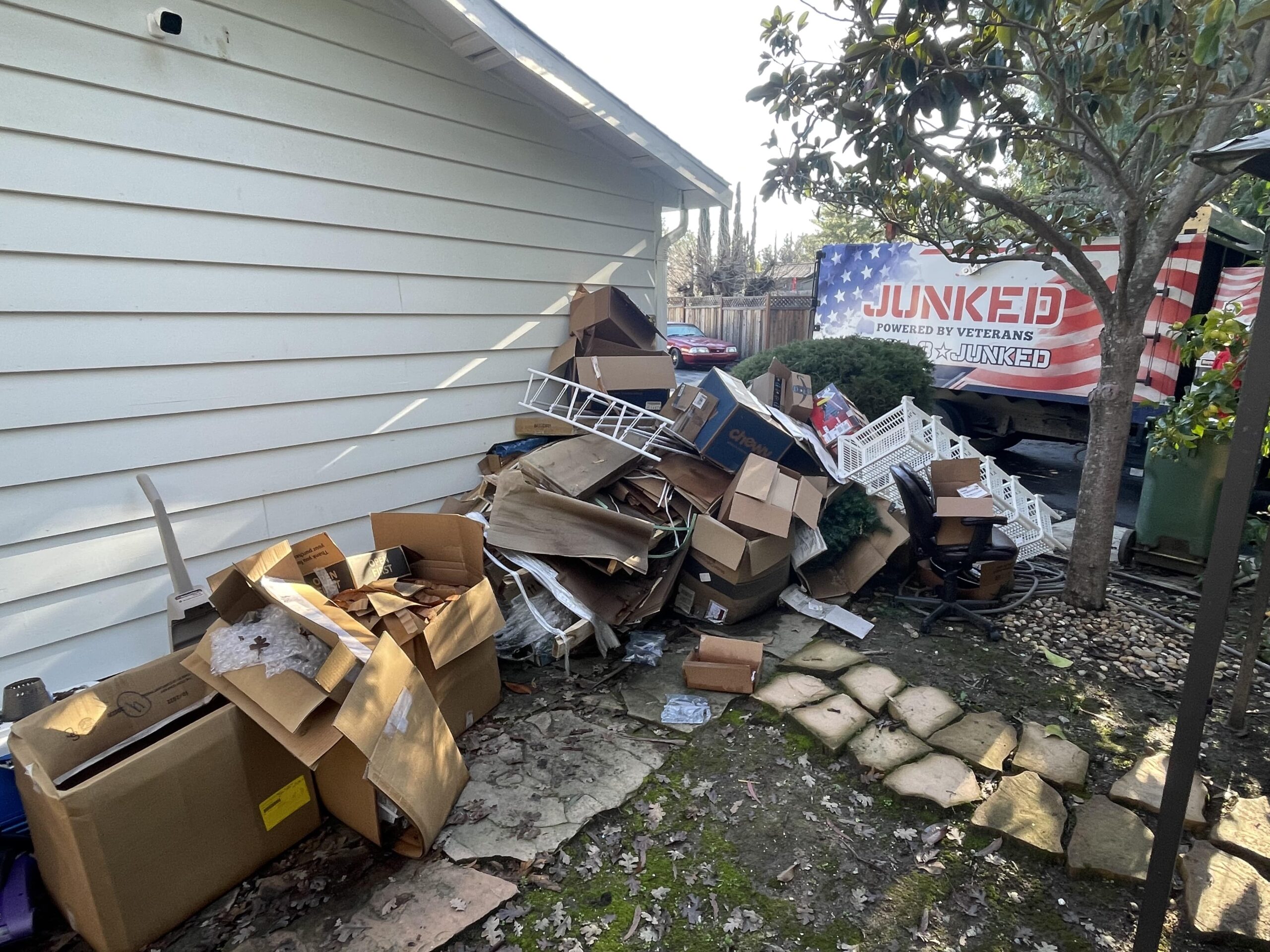
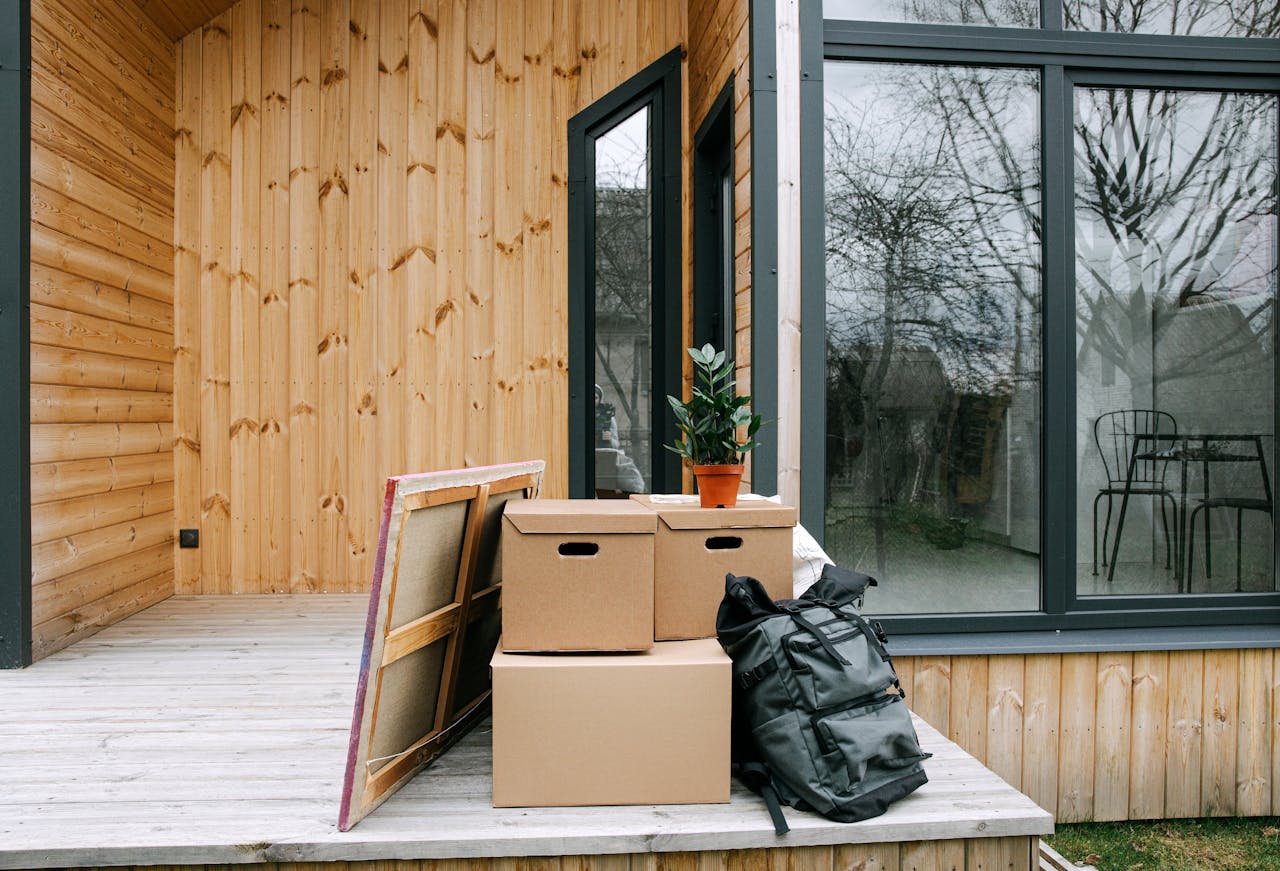
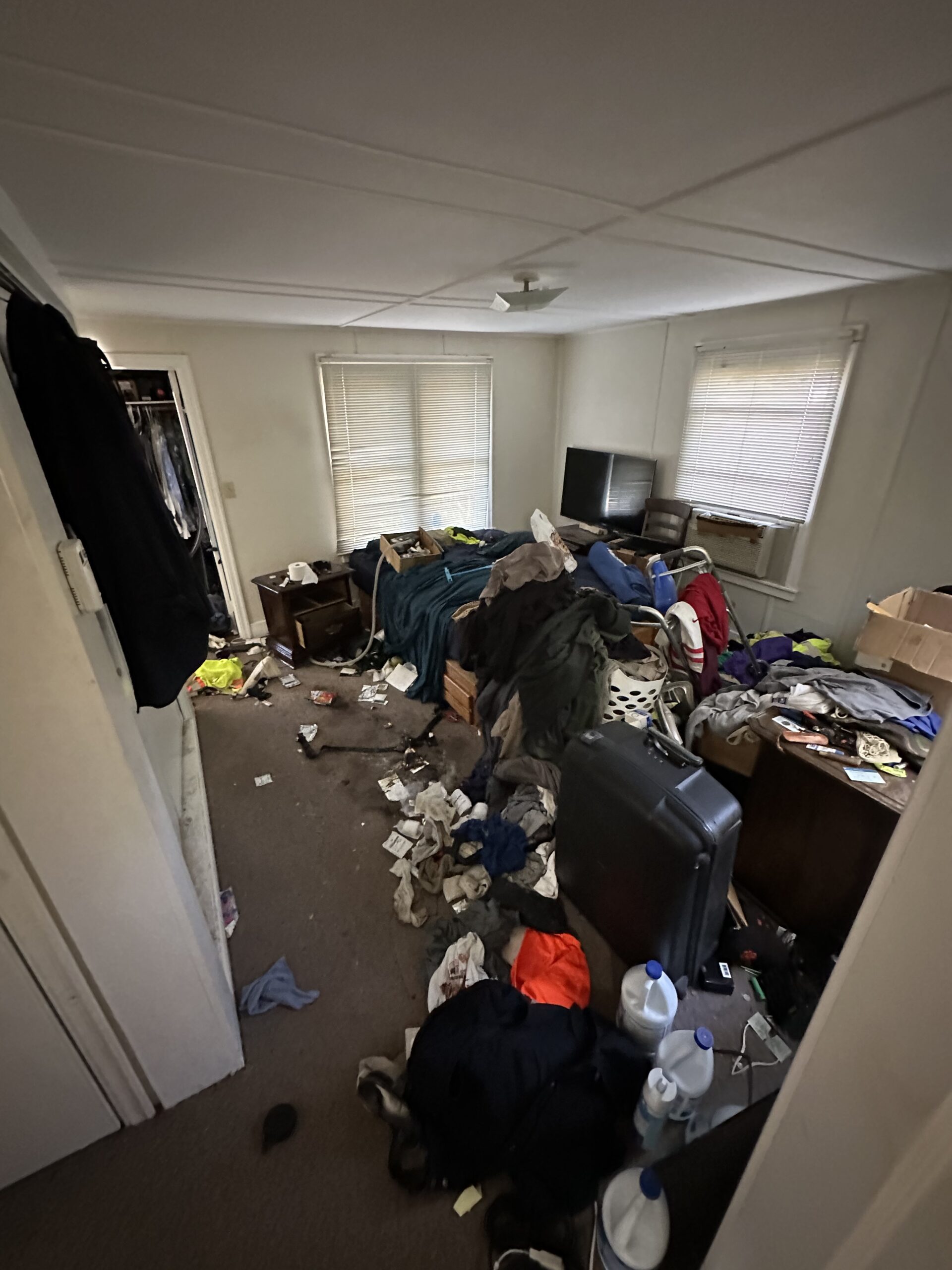
Property clean outs, step by step, starting with a walk through to inventory what should go, then separating into keep, toss, or donate. Our teams utilize easy tools like boxes, bags, and carts to clean out. Once we’ve sorted, people load items into trucks for trash, recycling, or donation. Certain work requires special attention to items such as electronics or old paint, so crews prepare for safe disposal. Cleaning the vacant space is last, ensuring no bits are left behind. They all have a similar process, which most cleanouts follow, to get the job done quickly and safely. Understanding the process allows individuals to anticipate time, expense, and what to expect. The bulk below dissects these phases in more detail.
Table of Contents
ToggleKey Takeaways
- Engaging in clear and timely communication with the cleanout team is essential to align expectations and ensure a smooth process from initial contact to completion.
- Preparation should consist of a checklist, emotional readiness, and capturing key documents to reduce headaches and assist decision making at your cleanout.
- Organizing and dividing things into what to keep, donate, recycle, and throw away helps us handle waste in an ethical way and extracts maximum utility and value from our possessions.
- Hazardous materials, sensitive documents, and regulated waste require special attention as they must be handled in accordance with safety standards and local regulations to avoid legal or environmental ramifications.
- Detailed records of the cleanout journey, including items removed and donated, offer transparency and can help with legal, financial, or tax needs.
- When you hire pro cleanout services, you get expertise, logistical support, and emotional guidance. This means that complicated or large-scale cleanouts are more efficient and less stressful for everyone involved.
The Property Cleanout Process
Property cleanouts require a plan to be safe, compliant, and efficient. Every phase has distinct needs from conceptualization to completion and is informed by practical, sentimental, and judicial considerations.
Initial Contact
Transparent communication with the cleanout company. Tell about the property — size in square meters, location, special features. Detail the property cleanout process — is it a move out, a rental turnover, or an estate? Schedule your on-site evaluation, inquire about local junk laws, hazardous materials, and tenant rights. Having clear expectations at this step helps avoid miscommunications and lays the foundation for an easy process.
On-Site Assessment
They scout your property, drawing up a map of focus areas. This evaluation goes beyond a simple tour and detects dangers, including possible environmental hazards, legal issues, or special treatment requirements for items such as e-waste or chemicals. Talk about any sentimental or high-value items first. Your crew should give you an estimate of time, manpower, and resources needed. Go over the discoveries to make sure everything is addressed prior to proceeding.
Strategic Plan
Collaborate with the team to create a defined plan of action. Delegate tasks, establish a timeline, and specify which rooms or items are most important. This plan should include legal and regulatory considerations, such as the correct disposal of hazardous or restricted materials. Define where to dispose of items—donate, recycle, or landfill—according to your local regulations. This planning minimizes environmental hazards and keeps the process on track.
Item Segregation
Begin with your least-frequented rooms and sift everything into keep, donate, recycle, or throw away. Color-coded bins are your friend. Log things as you donate or recycle them. This is a good tax record or simply good to take with you for later reference. Sentimentalism might drag out this step, but hands-on participation guarantees that nothing valuable slips through the cracks.
Systematic Removal
We clean out by the plan, using the proper equipment and vehicles for safety. Heavies or hazardous materials need special handling. The plan helps the cleanout team avoid getting lost and prevents confusion. Keep things on track and smooth out any wrinkles quickly, particularly when family or sentiment are involved.
Final Sweep
Once the removal is finished, perform a deep inspection. Walk through each room looking for missed debris. Leave the property clean and ready to go. Record completion in writing.
Preparing for the Cleanout
Property cleanouts require preparation and communication to prevent overlooked details and surprises. There’s nothing like the prospect of conquering a bunker-sized space packed with years of personal items to make you want to abandon the whole operation.
Instead, create a checklist with specific tasks, such as sorting items into categories like donation, recycling, and trash, flagging sensitive documents, and creating a timeline to help streamline the work. Organizing your thoughts and actions through list-writing is smart housekeeping and can make the difference between a productive cleanout and a messy, frustrating one. Emotional preparedness is important, particularly for estate cases, as letting go of personal possessions can be an emotional experience.
Your Role
Being there for the cleanout is not only assisting—it’s usually crucial. You direct the crew on what has sentimental worth or needs special handling, especially critical when family heirlooms or sensitive materials are involved. Being there to answer questions in real time prevents screw ups, like unintentionally throwing away something sentimental.
Occasionally, quick decisions are necessary as the process unfolds. Make quick decisions about what to keep, donate, or trash to keep the cleanout moving. When you assist the crew by unlocking doors or identifying concealed closets, it accelerates the job and eliminates skipped areas. If you’re not around, designate a trusted individual who knows your desires to step in.
Key Documents
Collect all of your paperwork related to the property early. That means wills, estate plans, deeds and documentation for valuables. Arrangements with the cleanout company should be written and kept somewhere secure. Take a picture or video of the property’s condition before and after the cleanout to shield yourself from disputes or misunderstandings. Local ordinances may mandate special treatment of sensitive materials, so consult regulations to avoid legal issues.
Access Path
Map out access for people and equipment. Open up all walkways and eliminate obstacles such as bulky furniture or loose debris. Open up all doors and gates before the crew shows up. This helps keep you from slowing down and damaging interiors or exteriors.
Establish a staging area near the front door for stuff you want to purify on the way out. Label definitively what things remain and what things go. Don’t mix personal items with garbage. This saves time and reduces the chance of mistakes.
The Sorting Philosophy
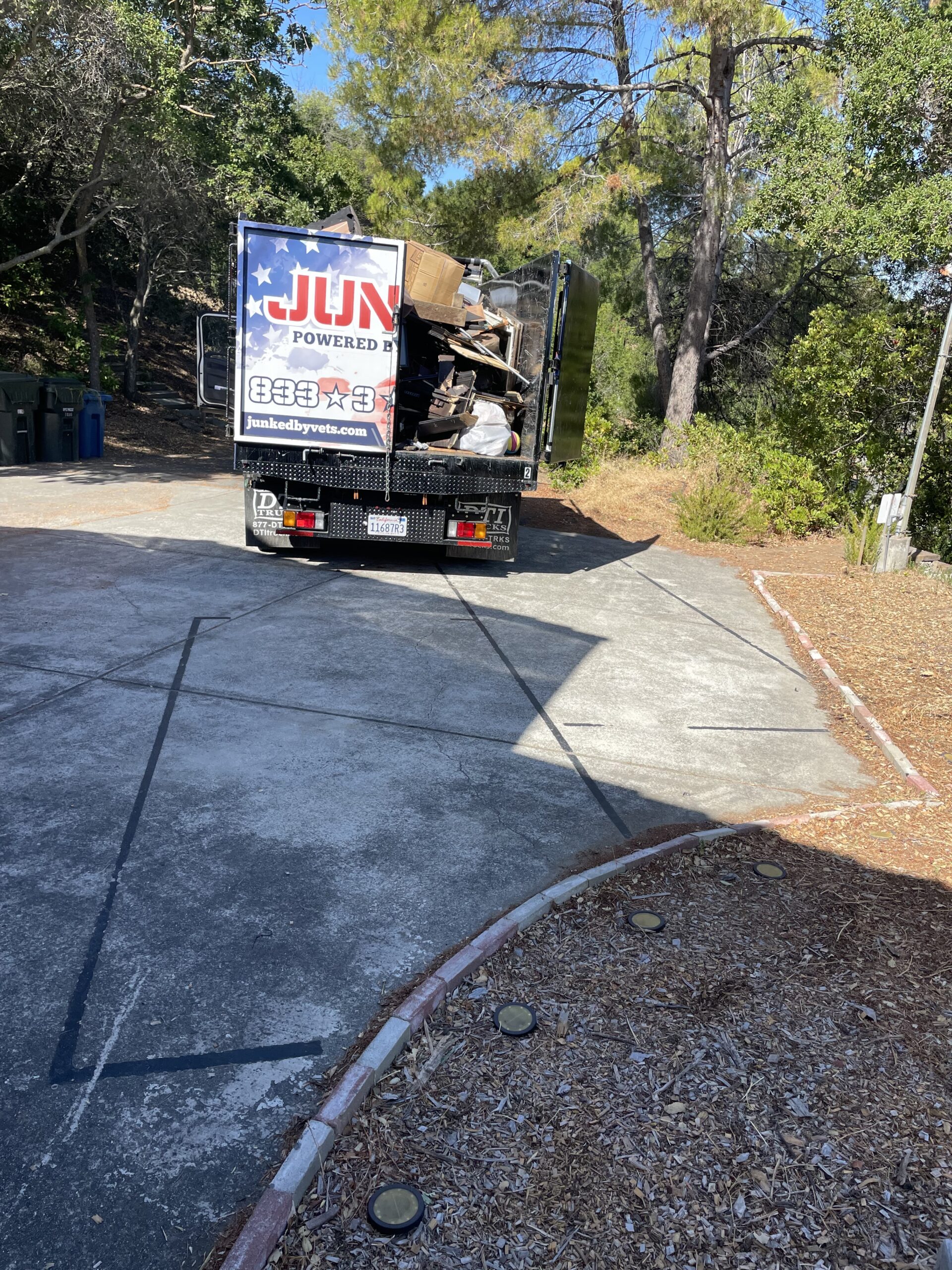
Sorting is the soul of any property cleanout. A thoughtful strategy keeps it flowing and not freaky. Begin in the bedrooms or other less-used rooms to minimize disruption to everyone’s daily life. Sort the work into small bites and distribute it over weeks or months to make it digestible. Hacks such as keep, donate, sell, and discard clarify decisions. The ‘One In, One Out’ rule prevents clutter from creeping back in. Of course, always go with sustainable methods—recycle, donate, or otherwise dispose of things in an environmentally friendly manner.
- Start with rooms that are not used often to help begin gently.
- Create clear piles: keep, donate, sell, discard
- Think ‘One In, One Out’ to prevent future clutter.
- Breathe easy knowing that you’re trashing, donating, and recycling the unwanted with eco-flair.
- Take a break, tell some stories, and include people to relieve tension.
- Make utility, value, and sentiment central to your decisions
Value
Cash is king for a lot of things, particularly in a house brimming with years of stuff. Valuable items, like antiques or collectibles, should be valued by professionals or estate liquidators to get fair prices. Exploring online marketplaces or auction houses gives you a sense of where they might get the most money. Record all valuables, including photos and descriptions, to make estate sales or insurance claims easier. Be sure to inspect each piece for wear and tear, as it has a direct impact on resale value.
Sentiment
Sorting a lifetime’s stuff can sometimes feel like an emotional minefield. Family heirlooms, personal mementos or childhood trinkets can have more meaning than their monetary value. Open, honest discussion within the family is key to determining what to retain. Innovative options, such as digital photo albums or shadow boxes, preserve memories without adding clutter. Respect everyone’s feelings and take some time to think things through when parting with beloved possessions.
Utility
Everyday usefulness should determine what remains and what gets tossed. Items that have a clear purpose include kitchenware, electronics, or furniture that is in good condition. Stuff that doesn’t work anymore or you haven’t worn in years most likely belongs in the trash. Some stuff can be re-imagined, like using ex-jelly jars as storage containers. The other part of The Sorting Philosophy is responsible disposal, which means properly recycling packaging materials to the extent possible.
Waste
- Sort waste into recyclable, compostable, and landfill categories
- Learn local waste regulations for compliance
- Contact local recycling centers for electronics and hazardous items
- Collaborate with the cleanout crew.
It’s something you must research local rules in order to not get fined. Certain things, such as electronics or paint, require special attention. Recycling, composting, and donation all help reduce landfill usage.
Handling Special Materials
That’s when property cleanouts can get tricky, especially when special materials are involved. Certain items, such as hazardous waste or sensitive records, require additional measures to protect all parties and comply with legal regulations. Eliminating old, broken or duplicate material first frees up room and makes it easier to identify what requires special treatment. There is the seasonal stuff, winter coats or holiday lights, which are bulky and only required for a portion of the year. Early sorting and clear labeling of boxes, if they get stored, sold, or donated, are key.
Hazardous Items
Hazardous Item | Proper Disposal Method |
Paints, Solvents | Take to a local hazardous waste facility |
Batteries | Drop at battery recycling points or special waste centers |
Fluorescent Bulbs | Dispose at designated recycling locations |
Cleaning Chemicals | Use official waste drop-off sites |
Pesticides | Contact licensed disposal services |
Only licensed chemists should shift or ship dangerous chemicals because handling can be hazardous. Be aware of the local regulations for each since some areas have designated dump days and others require private service. Before you begin, make sure your crew understands the guidelines and has the appropriate equipment, such as gloves and masks. This is vital in maintaining everyone’s safety and preventing penalties.
Sensitive Documents
Don’t forget to always reserve personal papers, old bank statements, and anything with private information for the cleanout. Keep passports, jewelry, and family records in locked boxes or safes so nothing gets lost in the shuffle. For materials you don’t need anymore, certified shredding companies provide secure and compliant destruction that satisfies privacy regulations. Get into the habit of sorting mail and paperwork daily to prevent piles that can get dumpstered. When in doubt, organize in distinct, identified folders.
Regulated Waste
Regulated waste includes things like medical supplies, electronics, and certain construction materials. They can’t just be tossed in the bin. They are governed by rigid disposal regulations from local and national authorities. Use licensed waste contractors that understand the law and can demonstrate safe handling. Save all junk-hauling paperwork to prove you’re doing the right thing, particularly when cleaning out spaces that you’re selling or renting. Local authorities might have programs or resources to help coordinate safe pickups.
Beyond the Debris
Property cleanouts are beyond the debris. They’re a team effort that can spill over on everything from relatives to colleagues. Cleanouts for real estate sales, rentals or estate settlements are sometimes necessary and the work itself can be both physically and emotionally draining. A cleanout that’s truly effective prioritizes not only opening up space, but rejuvenating the property’s value and assisting those affected by the change. The emotional burden of sifting through heirlooms and the necessity of teamwork, along with chances for impactful community involvement, like donating usable items and recycling whenever possible, are important to reflect on.
Coordination
Those initial couple of hours established the rhythm for the rest of the cleanout, characterizing team spirit and productivity. Organizing specific task times between family, property managers and the clean out crew keeps everyone working in unison. Clear communication prevents misunderstandings and maintains momentum, whether addressing cluttered garages or overlooked crawlspaces. Things can change as you uncover unforeseen obstacles or discoveries, so be flexible. With real-time updates and regular check-ins, teams can respond quickly, maintain momentum, and prevent expensive holdups.
Documentation
The craziest thing was just how important it was to keep a meticulous record of every step. Lists of things removed, donated, or thrown out are important to keep everybody accountable and transparent. For family estates, donation receipts bolster future tax filings and offer solace. A timeline, either digital or on paper, captures this progress and flags any lingering spots like attics or basements. Save all of your paperwork, including contracts, disposal receipts, and charity acknowledgments, in an organized manner and easily accessible for reference or legal action.
Unexpected Finds
Surprises abound, jewels in the closets, letters in the dresser drawer, souvenirs in the attic. Respect and enter into each find with an open mind. These articles can hold much value to the inhabitant or heirs. Talking through these finds as a family aids in agreement on what to retain, donate, or toss. Many of these settle into the emotional heart of the cleanout, lending it texture and occasionally coloring the whole story of the family or property itself.
Why Hire Professionals?
Property cleanouts can be difficult to handle on your own, particularly when dealing with excess clutter, heavy appliances, or sentimental belongings. That’s where the pros come in with expertise that can accelerate the process and keep it secure. They understand how to organize, box, hoist, and transport items without any harm. This translates to less risk of personal injury from lifting jagged objects or heavy items, preventing medical expenses or workdays missed. Cleanout crews have the right gear and take safety steps, so every space is inspected and cleaned with care.
A huge reason to hire professionals is the time saved. What would take you weeks, a cleanout crew can clear in days. They operate with fixed schedules and understand how to circumvent bottlenecks. For instance, if a house has multiple rooms or closets, professionals utilize checklists to ensure they don’t leave anything behind. This prevents last-minute stress or panic, and the entire process seems more managed and less hectic. When it gets tough, like digging through a loved one’s belongings, pros don’t just ditch it but assist you in dealing with the feelings. Their measured, reasonable manner of working assists owners in decision making without becoming overwhelmed.
Experience is another plus. Professional crews understand the guidelines for separation and disposal, so things end up where they belong: recyclables, refuse, or donations. The usable stuff is donated to charities or groups that can use it, so it’s not just about dumping; it’s about giving things a second life. This brings a dignity to the work that is difficult to duplicate on your own. With professionals, you can have peace of mind that your cleanout is done right the first time. No rooms missed, no corners forgotten, and no returning later to fix mistakes.
Conclusion
Property cleanouts require a plan, keen vision and hard work. You begin with a walk-through, sort out what stays and what goes, and understand how to handle hard-to-dispose items like old paint or bulky furniture. Good teams know the regulations on refuse and how to maintain safety in space. Where you really win is in getting a place clean, safe and ready for its next step. Most pros come equipped with the right tools, heavy-duty crews and expertise to save you time and headaches. For more tips on how to get the most out of your next cleanout, seek out a team with great reviews and great pricing. Post your own advice or anecdotes in the comments to assist others in discovering the optimal path.
Frequently Asked Questions
What is a property cleanout?
A property cleanout is generally the act of clearing unwanted junk and debris from a property. This clears spaces for sale, rental, or renovation.
How do I prepare for a property cleanout?
Begin by separating what you want to keep, donate, or throw away. Establish clear paths of access and inform the cleanout crew of your wishes.
What happens during the sorting process?
Items are sorted into categories: keep, donate, recycle, and dispose. This allows us to remove quickly and waste as little as possible.
How are hazardous materials handled in a cleanout?
Hazardous items such as chemicals, batteries, and electronics are segregated and disposed of in compliance with local safety and environmental regulations.
Can professionals handle large or heavy items?
Indeed, expert cleanout crews have the tools and experience to get those large, bulky or heavy items out of properties safely.
What happens to items after a cleanout?
These can be donated, recycled, or responsibly disposed of. Industry experts attempt to prioritize sustainable disposal and minimize landfill waste.
Why should I hire a professional cleanout service?
Experts save you time and effort, guarantee safe handling, and adhere to proper disposal. Their experience minimizes risks and results in comprehensive outcomes.
Disclaimer
The materials available on this website are for informational and entertainment purposes only and not to provide legal or professional advice. You should contact your attorney or home improvement specialist for advice concerning any particular issue or problem. You should not act or refrain from acting based on any content included in this site without seeking legal or other professional advice. The information presented on this website may not reflect the most current home improvement developments. No action should be taken based on the information on this website. We disclaim all liability concerning actions taken or not taken based on any or all of the contents of this site to the fullest extent permitted by law.