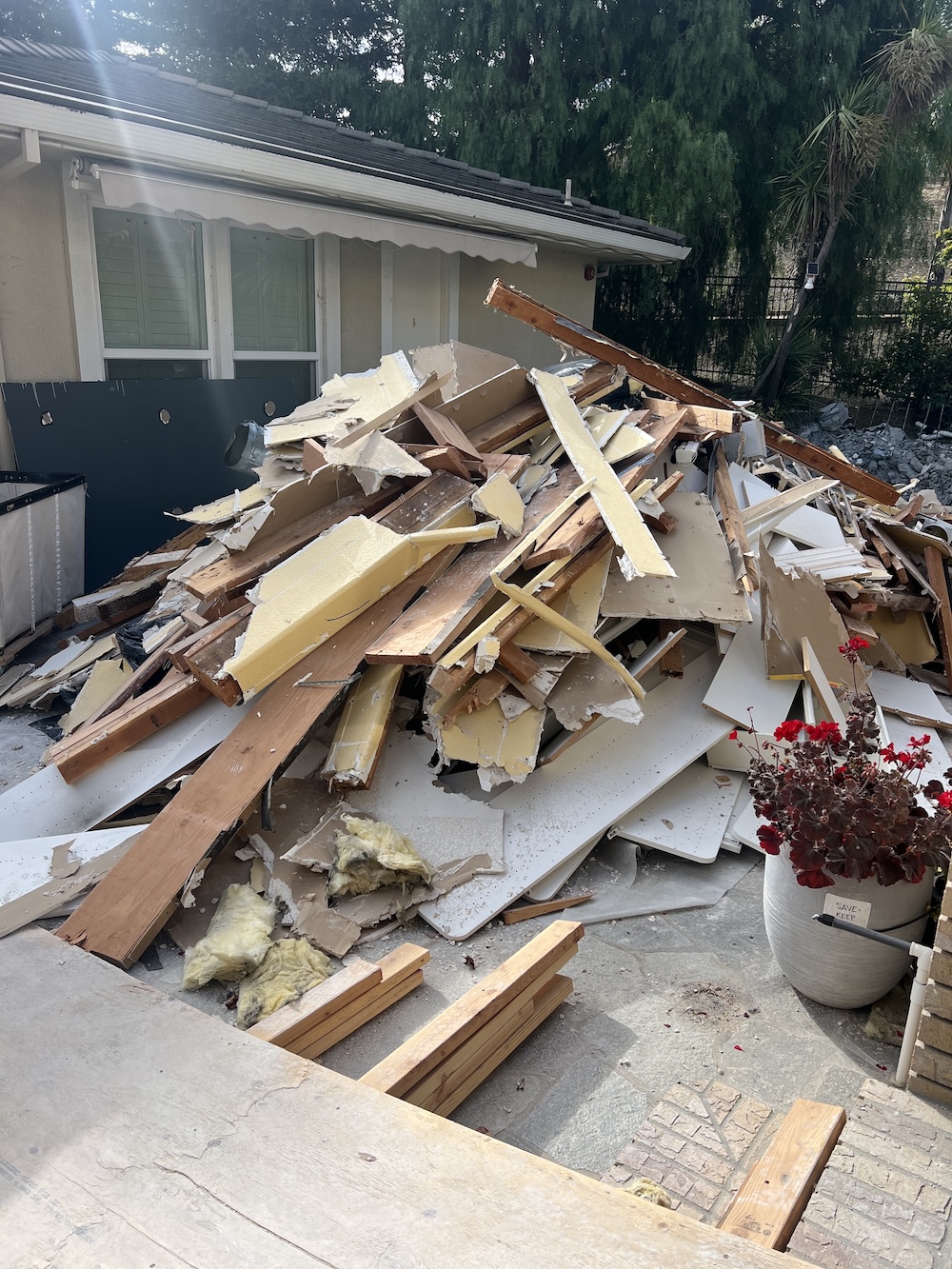
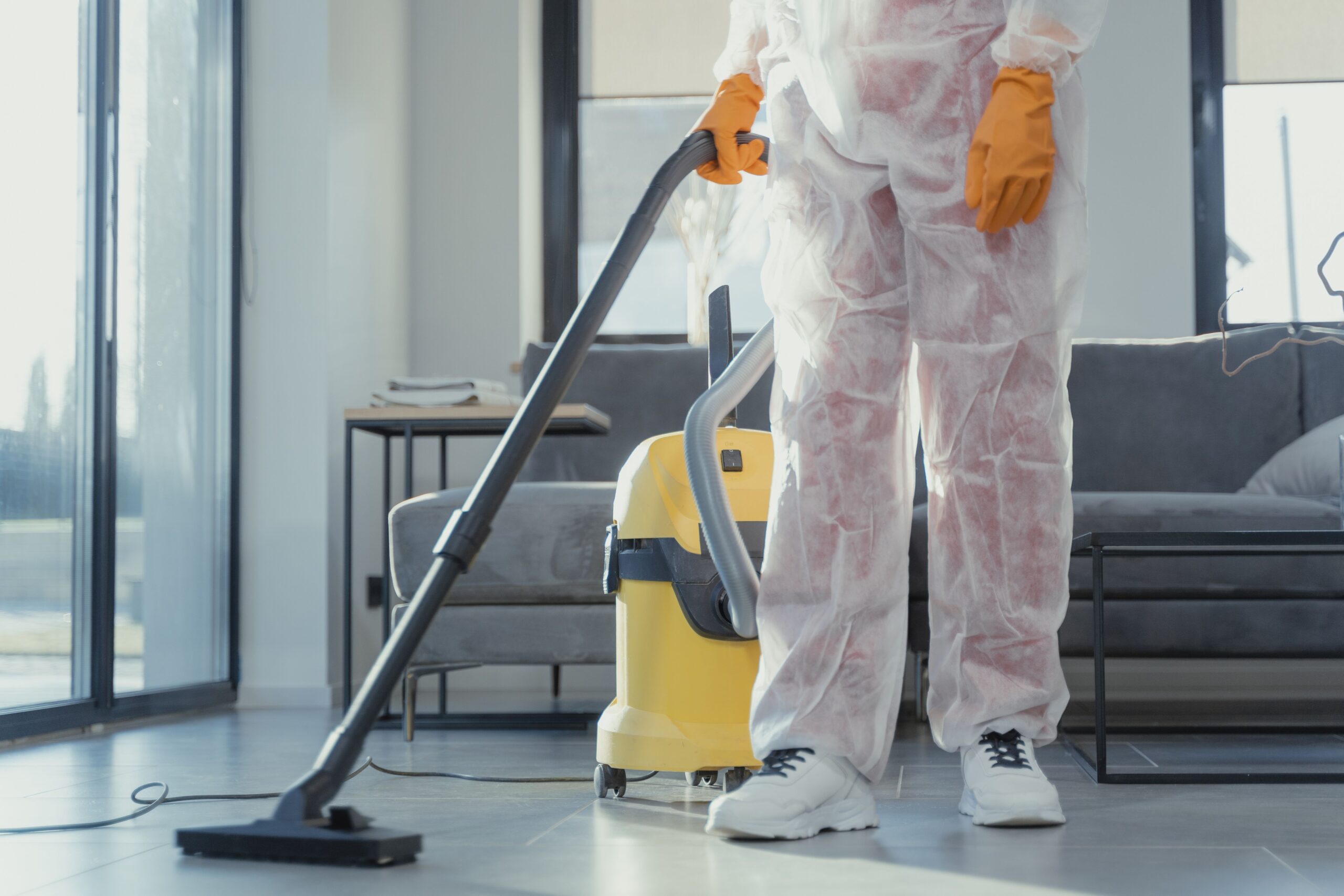
What do contractors want from a cleanout crew? Contractors expect cleanout crews that stick to plans, sort debris by material, and record removals with photos and simple logs. Dependable crews arrive with the appropriate tools, PPE, and waste permits when needed. Contractors expect clear communication about timing, crew size, and possible delays to keep their projects on budget and on milestone dates. Contractors value cleanout crews that identify problems like water damage or toxic materials and communicate them transparently. Below, the main body lists checklists, role breakdowns, and simple templates contractors use to set standards and measure crew on-site performance.
Table of Contents
ToggleKey Takeaways
- Contractors want timely, professional crews who come equipped, in uniforms, and with clear communications to keep schedules and inspections on schedule.
- Contractors know that reliability trumps speed, so crews need to arrive on time, be flexible with scope adjustments, and offer contingency workers to prevent disruption to projects.
- Safety and compliance are not optional with OSHA-aligned protocols, appropriate PPE, HEPA filtration, and certified hazardous waste management.
- Contractors measure quality by detailed dust removal, window and surface polishing, and a final walk with punch list resolution for occupancy standards.
- Clear communication and billing engender trust with itemized quotes, one point of contact, and prompt reporting of concerns or additional requirements.
- Treat cleanup like a partnership. Provide flexible scheduling, recurring service contracts, and value-added solutions that minimize contractor liability and simplify handoffs.
What Contractors Expect From A Cleanout Crew
Here’s what contractors expect from a cleanup crew. Crews need to adhere to the three-stage process of rough clean, final cleanup, and touch-up when first eliminating bulky debris, excess materials, and packaging during rough cleaning. They then focus on detailed cleaning to remove fine dust and polish surfaces for handover. Work is frequently tied to a time frame, such as five days to complete the cleaning services, and crews need to scope out manpower and machinery to fit that window.
1. Professionalism
What contractors anticipate from a cleanup crew is crucial for a successful construction cleanup process. This means PPE such as safety glasses, nitrile gloves, and dust masks are on every crew member who arrives prepared, along with HEPA vacuums and floor protection to prevent damage to surfaces. Respecting property and other trades by isolating work areas, covering finished floors, and not interfering with in-progress installs is essential. Clear communication of status to the project manager and delivering a printed checklist that tracks work completed, work outstanding, and hours worked for billing is vital.
2. Reliability
Reliability means no last-minute cancellations and completing the agreed scope within agreed hours. A professional cleanup crew should be clearing big debris and removing packaging, doing detailed dusting and window cleaning UNPROMPTED. When the construction cleanup process or schedule shifts, adapt quickly: add a backup crew, extend shifts, or stage additional resources so quality does not slip. Contractors want that crew to be the last ones through their building, leaving it empty and clean for final inspection and occupancy.
3. Safety Compliance
Adhere to OSHA and local regulations for hazardous waste, labeling, and disposal during the construction cleanup process. Wear PPE, use HEPA-filtered vacuum dust collectors, and safely manage materials like solvent rags or sharp scrap while engaging a professional cleanup crew. Train team members in site safety and emergency response, maintain up-to-date certifications, and document safety checks to ensure a thorough final cleaning.
4. Clear Communication
Provide transparent, detailed quotes and contracts for construction cleanup services that correspond with phases, including rough cleanup, final cleaning, and touch-up. Ensure to give constant progress reports and instant notifications of any roadblocks or additional requirements, identifying one point of contact for coordination.
5. Quality Work
Provide fine dust pickup, grout cleaning, and paint-smudge removal as part of the construction cleanup process. Safeguard flooring and finishes, confirm punch-list items in walk-through, and address problems before the final cleanup.
Beyond The Broom
Cleanout crews must do more than just sweep and haul, but they are essential in the construction cleanup process. Contractors need teams that oversee phased post-construction work, manage regulated waste streams, use hospital-grade equipment for deep cleaning, and provide plans customized to residential and commercial budgets and schedules. Post-construction cleanup services are commonly split into three phases: rough clean, which involves large debris and packaging removal, final cleanup, which includes surfaces, floors, windows, fixtures, restrooms, and baseboards, and touch-up. Each stage has distinct labor, machinery, and expense characteristics.
Specialized Waste
On-site, we specialize in construction cleanup, ensuring the separation of hazardous and non-hazardous materials at pickup. This involves careful segregation of lead, asbestos-containing materials, chemical containers, and crystalline silica dust while adhering to OSHA handling and disposal guidelines. To enhance safety and efficiency, we perform final cleaning by removing big junk, like scrap wood and drywall offcuts, during the rough cleanup phase. This reduces trip hazards and accelerates project schedules. We also coordinate dumpsters and scheduled hauling to align with the construction cleanup process, using specialized tools to minimize downtime. Providing chain-of-custody and disposal receipts ensures compliance for contractors during audits and enhances the overall cleanup operations.
Project Experience
Showcase varied project types such as small residential renovations, multi-unit new builds, retail fit-outs, and large commercial cores. Understanding trade-specific requirements is crucial, flooring crews prefer dust-free floors ahead of the finish. Countertop installers need sinks free of construction debris. Adapt cleaning methods to include a rough cleanup on day one to clear the site, followed by final cleaning before the punch list, and touch-ups after trades complete. For instance, add a simple project table in bids detailing project type, square meters cleaned, phases provided, and completion time to assist contractors in comparing bids. Using construction cleanup services enhances efficiency and reduces surprises, ultimately shortening timelines, which is essential when accelerating projects.
Added Value
Provide construction cleanup services contracts to address phased work and recurring needs, with flexible scheduling to move the cleanup crew for late changes or fast-tracking. Offer packaged services, rubbish hauling, HEPA vacuuming, auto-scrubbing, and post-construction disinfection at a discounted per-phase price. Costs generally run from $0.10 to $0.75 per square foot. Residential construction cleanup projects regularly come in between $274 and $708, while commercial projects frequently span from $1,500 to $5,000. Set up the crew as a full-service partner that forecasts trade requirements, records waste, and provides quantifiable efficiency improvements.
The Three Cleanup Phases
These three cleanup phases are essential for construction cleanup services to provide a finished space that satisfies contractor schedules, inspections, and clients alike. Observing the construction cleanup process eliminates wasted effort and minimizes rework, downtime, and liability.
Rough Clean
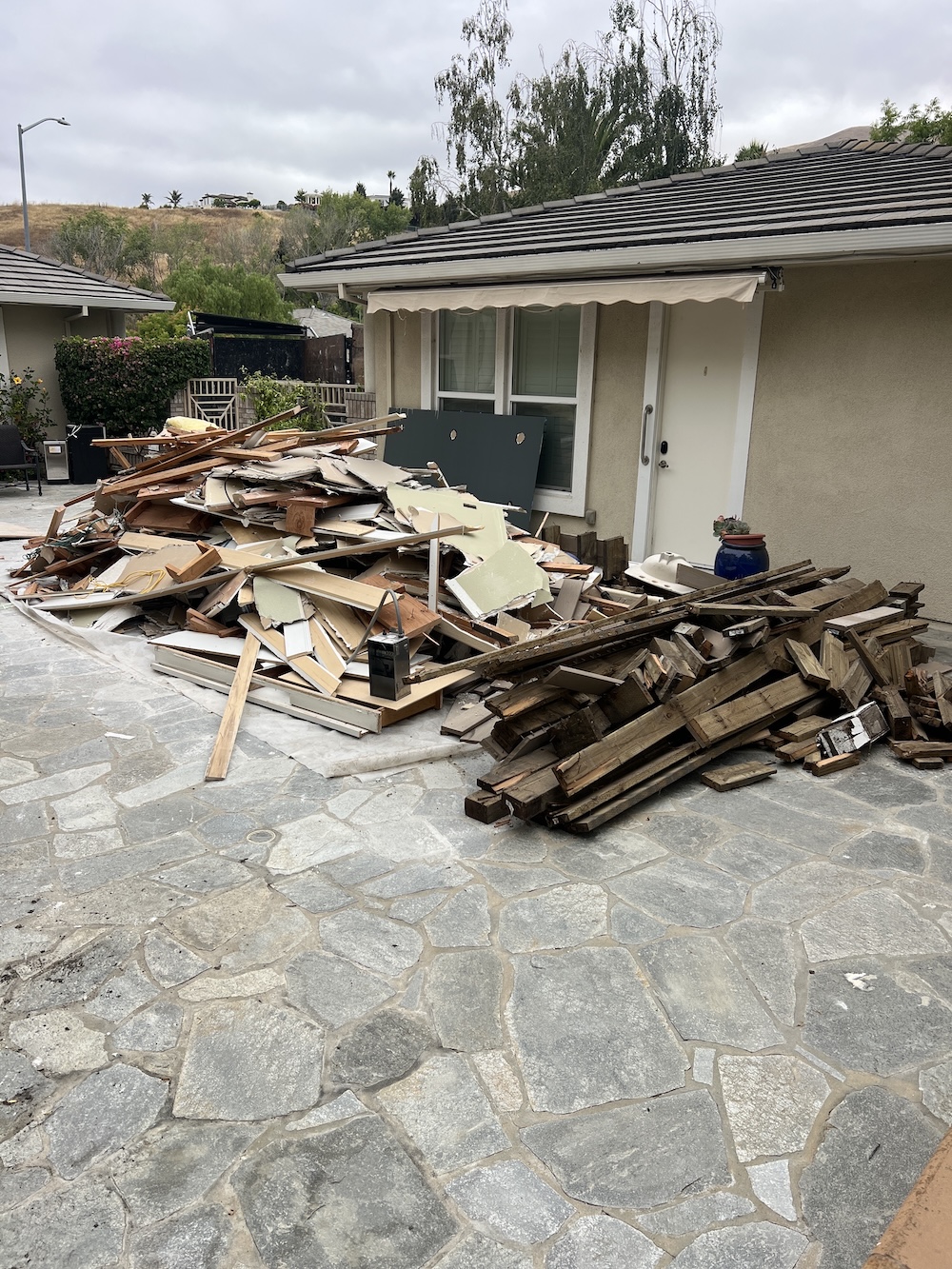
To ensure a smooth construction cleanup process, rid the grounds of rubble, scrap wood, and discarded building materials. This initial cleanup is focused on volume rather than detail, as clearing bulk waste allows trades to continue working safely. In this phase, the cleanup crew is responsible for loading dumpsters, separating recyclables, and disposing of pallet and pallet-wrap waste. Additionally, sweep, vacuums, and/or mops floors to eliminate caked dirt and sawdust. Using ride-on sweepers, push brooms, and industrial vacuums can expedite the process, while water-based mops paired with HEPA vacuums help maintain a dust-free environment. The site must be kept in broom-clean conditions to prepare for the next construction job, ensuring compliance with local and OSHA regulations for waste disposal.
Final Clean
In-depth cleaning of every surface, including windows, fixtures, and kitchen surfaces, is essential for effective construction cleanup. The second cleanup phase can be the most labor-intensive as it tackles fine dust and visible finishes. Plan for extended crew hours and specialized tools for the cleanup process. Fine construction dust must be removed with HEPA vacuums and microfiber cloths, using non-abrasive cleaners to preserve painted surfaces. Polish floors, clean bathrooms, and remove any smudges or chemical residue on finishes, baseboards, door frames, and trim, which requires detailed cleaning. Pre-flip cleaning prepares the site for final inspections and owner walkthroughs.
Touch-Up Clean
Address any new smudges, dust, or debris that may appear after the final cleanup and before occupancy. It’s essential to re-clean high-traffic areas, windows, and entryways as needed. Quick response time is crucial during this phase, which typically occurs right before move-in or an event. Generally, the three cleanup phases involve promptly addressing last-minute requests from contractors or building owners while ensuring readiness for tenant turnover or grand openings. This stage is vital for preparing everything for the next step in the construction cleanup process.
Phase | Duties | Equipment | Typical Timing |
Rough Clean | Bulk debris removal, broom-clean floors | Dumpsters, brooms, industrial vacuums | Early phase, days |
Final Clean | Detailed dust removal, polish, fixtures | HEPA vacuums, microfiber, polishers | Time-intensive, hour, days |
Touch-Up Clean | Spot cleaning, final checks | Hand tools, cleaners, quick-response crew | Just before occupancy, hours |
Understanding The Costs
Construction cleanout fees depend on several quantifiable factors such as labor hours, equipment requirements, and the type of debris involved. The construction cleanup services offered, whether general cleanup or detailed cleaning, establish the baseline for costs. Labor is billed hourly or by square meter, with rates increasing based on the skill required for the cleanup process. Additionally, the type of debris, including mixed construction waste or hazardous materials, significantly impacts disposal fees and routes. Timelines and urgency also influence pricing, especially when the cleanup crew must mobilize quickly.
Pricing Models
- Per square foot (or per square metre): common for standard post-construction and phased cleanups, average $0.10 to $0.75 per square foot depending on phase and detail.
- Hourly is used for irregular scopes, deep clean, or when work is unpredictable.
- Flat rate: used on small residential jobs or clearly defined scopes. It is easier for budgeting.
- Hybrid: base per-area fee and hourly for add-ons or unforeseen tasks.
Add-ons like window cleaning, dusting of high ceilings, or toxic waste removal are charged separately and can drive up costs significantly. Delicate finishes or glass-heavy designs need soft cloths and specialists, raising rates. Remote sites may generate minimums and travel charges to offset crew mobilization. Build a comparison chart for small residential, mid-size commercial, and large complex sites that compares per square foot, hourly, and flat-rate scenarios.
Cost Factor | Per Square Foot | Hourly | Flat Rate |
Basic debris removal | $0.10 – $0.30 | Yes | Often |
Detail cleaning (finishes) | $0.20 – $0.75 | Yes | Sometimes |
Billing Transparency
To reconcile budgets and change orders effectively, contractors should furnish detailed invoices that include labor hours, equipment rental, disposal fees, and add-ons, such as construction cleanup services. Transparency about add-ons, like overtime and extra dumpster runs, is essential to prevent disputes. Additionally, offering online invoicing and multiple payment methods enhances convenience and record-keeping while maintaining open communication for billing questions.
Project Factors
The cost of residential post-construction cleaning typically averages between $274 and $708, with a mean of $477, while commercial cleaning services can range from $1,500 to over $5,000. Factors such as project scale, type, and timeline can significantly impact the expenses of construction cleanup. Additionally, site access and local regulations play crucial roles in determining the cleanup process, especially for complicated floor plans or areas requiring specialized tools and certified personnel for effective dust removal.
Essential Crew Capabilities
Contractors need a professional cleanup crew to mix technical expertise with certified safety training, dependable tools, and the adaptability to satisfy quick deadlines and shifting site requirements during the construction cleanup process. These subtopics break down those core capabilities into actionable items contractors can use when vetting teams.
Skills
Focus some of your crew’s capabilities on grunt work like detailed dust removal, sorting debris, and specialized cleaning. A multi-step process is standard in construction cleanup services: rough debris removal, targeted HEPA vacuuming, wet cleaning of surfaces, and final touch-ups. Crews need to understand how various building materials respond to cleaners and when non-abrasive products must be used to prevent damage during the construction cleanup process.
Understanding building materials and effective detergents is essential. For instance, employing pH-neutral cleaners on newly finished hardwood, using solvent-based degreasers for masonry stains, and using microfiber cloths for painted drywall can avoid scuffing. Crews that safely lift and carry heavy loads save hours and prevent injuries on the job site, which is crucial for any construction cleanup company.
Highlight in construction schedules! Efficient crews cut labor hours by planning tasks in parallel. One subgroup removes debris while another does initial dust control. This strategy not only cuts re-visits but also slashes contractor downtime, enhancing the overall efficiency of the cleanup crew.
Cultivate make-it-work skills for last-minute cleanup missions. Examples include responding to leftover adhesives, dealing with fine silica dust near ventilation, or quickly turning around a site after an urgent inspection request, ensuring that all cleaning needs are met promptly and effectively.
Certifications
Get all crew members OSHA safety training and certifications. Simple OSHA or similar training shows fall protection, hazard communication, and site behavior competence. OSHA fundamentals for a seasoned post-construction cleaning crew.
Keep current hazardous waste disposal credentials. Lead, asbestos, or chemical residue handling certifications are important on renovation projects. Obtain insurance and bonding to minimize contractor risk exposure. To give contractors peace of mind, proof of coverage and credentials should be displayed upon request.
Show evidence of certifications when requested for contractor assurance. On-time proofing gets contracts signed faster and displays your preparedness for emergency clean-up calls.
Equipment
Step up to commercial-grade HEPA vacuums, auto scrubbers, and filter vacuums. HEPA systems eliminate particles that can remain airborne for nearly two weeks post-project. Stock specific equipment for window washing, floor care, and fine dust.
Wear proper PPE and safety equipment for any construction clean-up. Keep and routinely check gear to perform. Well-maintained machines minimize downtime and enhance reliability, enabling crews to complete jobs right and on time.
The Partnership Mindset
A partnership mindset views cleanout crews as long-term partners in a construction project, not temporary contractors. This matters because contemporary construction is more complex and time-sensitive. The team’s efforts impact timelines, costs, safety, and asset value. Contractors want teams that understand the project lifecycle, foresee downstream requirements, and take initiative to keep work moving.
Treat each construction cleanup gig as a partnership, not a one-time thing. Approach every job with repeatable processes that map to project phases: rough clean after demo, progressive clean during fit-out, and final clean before handover. Use checklists bound to drawings and punch lists so work is auditable. Provide site audits and post-handover touch-ups on a recurring contract. For instance, on a multi-floor office fit-out, supply a phased clean plan that aligns with floor completions, reducing rework and avoiding delays during MEP testing.
Work hand in hand with general contractors, builders, and property managers to ensure everyone is aligned. Go over a single-source communication plan with primary contacts, daily brief notes, and an escalating issue log. Plan waste routes in conjunction with site logistics to prevent crane or lift conflicts. Sync cleaning windows with trade schedules so that key path activities, such as floor finishes and glazing, are not delayed by dust. For example, coordinate HVAC filter replacement timing to match the final cleaning to minimize recontamination.
Provision of solutions and iterative improvement for recurring service contracts. Propose small, measurable changes: swap to microfiber cloths to cut residue, switch to water-based cleaners to meet sustainability targets, or track particulate counts before and after cleans. Provide monthly KPIs on on-time completion, rework rate, and waste diversion rate in metric units to demonstrate trend lines and opportunities to improve. Take what you learned and revise your standard operating procedures for the next gig.
Frame your construction cleaning services as a critical component to the building project’s success. Provide expertise in safety plans, materials handling, and low-impact approaches that bolster energy-efficient systems and community impact goals. Commit to project outcomes: stay within agreed windows, help keep budget lines steady, and document completion for client sign-off. Focus on sustainability, asset care, and ongoing support so the contractor’s investment continues to deliver value.
Conclusion
Contractors want a crew that arrives on time, works efficiently, and maintains safety at the site. Clear calls, straightforward invoices, and consistent progress are key. A crew that identifies problems, disposes of debris properly, and maintains equipment in working condition provides a huge service. Employ brief checklists, establish solid work windows, and circulate images so crews remain aligned. Small moves cut delays: lock a single contact, mark hazards, and agree on disposal rules. For crews, establish a repeatable routine. For contractors, value crews that trim waste and keep projects on schedule. Begin with one checklist and one weekly sync.
Frequently Asked Questions
1. What Specific Services Do Contractors Expect From A Cleanout Crew?
Debris removal and safe disposal are crucial aspects of the construction cleanup process, along with sweeping surfaces and staging the site for follow-up trades. Contractors rely on cleanup crews to deliver timely, code-compliant work.
2. How Quickly Should A Cleanout Crew Complete A Standard Post-Construction Cleanout?
A standard construction cleanup for one unit typically takes two to eight hours, while larger commercial cleaning jobs scale by size and complexity, ensuring the construction team meets the project schedule.
3. Do Contractors Require Liability Insurance And Certifications From Cleanout Crews?
Yes. General liability and workers’ comp are typical in construction cleanup services. Hazardous-material handling certifications are required when applicable, as proof of coverage builds trust and mitigates risk.
4. How Do Cleanout Crews Affect Project Scheduling And Timelines?
Dependable cleanup crews minimize downtime between trades, ensuring quick turnaround with coordinated construction cleanup services that keep work flowing and total project time down.
5. What Pricing Model Do Contractors Prefer For Cleanout Services?
What do contractors want from a construction cleanup crew? Establishing clear change-order procedures prevents disagreements during the cleanup process.
6. How Important Is Communication Between Contractors And The Cleanout Crew?
Critical. Daily status updates, clear scopes, and immediate issue reporting prevent misunderstandings, ensuring that the construction cleanup process stays on track and safety is maintained.
7. What Safety Standards Do Contractors Expect Cleanout Crews To Follow?
Crews should adhere to site safety plans, use PPE, and comply with waste-handling regulations during the construction cleanup process, addressing fall and trip hazards to safeguard employees and maintain project schedules.
Construction Cleanouts + Demo That Keep Your Project Moving
Construction and renovation projects create debris fast. Junked: Powered by Veterans™ provides professional construction cleanouts and demolition services throughout the Bay Area, helping contractors, property owners, businesses, and property managers keep job sites clear and ready for the next phase.
From interior demolition and remodel cleanouts to construction debris removal, we handle the heavy lifting, hauling, and cleanup. Our veteran-led crew can remove drywall, flooring, cabinetry, fixtures, lumber, and other unwanted materials safely and efficiently.
A cluttered job site can slow down crews and create unnecessary delays. Junked: Powered by Veterans™ makes cleanup simple by combining demolition, debris removal, and hauling into one dependable service.
Whether you need a one-time cleanout or ongoing cleanup during a renovation or buildout, we’re ready to help keep your project moving.
Disclaimer
The materials available on this website are for informational and entertainment purposes only and not to provide legal or professional advice. You should contact your attorney or home improvement specialist for advice concerning any particular issue or problem. You should not act or refrain from acting based on any content included in this site without seeking legal or other professional advice. The information presented on this website may not reflect the most current home improvement developments. No action should be taken based on the information on this website. We disclaim all liability concerning actions taken or not taken based on any or all of the contents of this site to the fullest extent permitted by law.