Continuous construction cleanouts offer debris elimination, dust suppression, and site organization that minimize hazards and accelerate projects. They decrease injury rates by maintaining clear walkways and minimizing dust that can affect not only workers but equipment. Daily cleanouts reduce waste disposal expenses with separated recycling and minimized bulk hauls. They facilitate on-time inspections by delivering a clean site to inspectors and builders. For project managers, regular cleanouts streamline logistics, minimize rework on finishes, and boost on-site morale with a cleaner workspace. For developers and owners, consistent cleanout schedules shield completed work and minimize warranty h eadaches. The remainder of this post provides cost examples, scheduling options, and best-practice checklists.
Table of Contents
ToggleKey Takeaways
- Construction cleanouts lower your total project costs by preventing debris buildup and expensive rush repairs. They establish a cleaning schedule to distribute costs and safeguard finishes.
- Regular cleanings contribute to site safety by clearing away sharp hazards, curbing dust, and meeting safety requirements to reduce liability and safeguard workers.
- Regular site cleaning speeds projects because it allows multiple trades to work in parallel and helps you pass inspections more quickly. Schedule cleaning milestones to coincide with construction phases.
- Active debris management and dust control safeguard assets and indoor air quality, including finishes, HVAC systems, and long-term value through specialized material sorting and hazard removal.
- By investing in technology and professional teams, we increase efficiency and transparency by automating schedules, generating compliance reports, and leveraging advanced equipment to minimize labor and maximize results.
- Tailor cleaning frequency and coverage to fit project scale, stage, and site needs. Track KPIs and crew input to optimize service efficiency and customer happiness.
Why Choose Ongoing Cleanouts?
Ongoing cleanouts minimize dust and debris accumulation, reducing the need for costly end-of-project cleanups. This proactive approach not only prevents damage from being concealed until it’s too late but also streamlines the construction cleaning process. By implementing thorough cleaning services, teams can avoid labor-intensive final cleaning and costly rush jobs when a phase needs to turn over quickly.
1. Financial Savings
In my experience, implementing construction cleanup throughout the life of a project reduces peak spending and keeps budget lines more predictable. By maintaining a clean environment and minimizing dust and debris-driven damage to finishes and equipment, you avoid repair or replacement costs that often exceed those of regular cleaning. Continuous waste processing, part of a comprehensive construction cleaning process, decreases the risk of citations or downtime for schedule interruptions due to failed inspections, which can lead to explicit fines and opportunity costs of delayed occupancy.
2. Risk Reduction
Ongoing cleanouts, including comprehensive construction cleaning processes, reduce trip hazards and remove sharp objects before they can cause injury. Regular disposal of dangerous substances and proper cleaning assist compliance with OSHA and local regulations, which facilitates better inspection results. Managing fine dust particles minimizes breathing hazards for employees and guests, leading to improved indoor air quality as systems and vents remain cleaner. A safer site reduces contractor liability and keeps the construction crew productive by minimizing lost time due to injury.
3. Project Acceleration
Clean, organized work areas enable construction crews to move quicker and minimize layout conflicts between trades. With clear access routes and staging zones, several teams can work simultaneously with fewer interruptions. Ongoing construction cleanup efforts further expedite final inspections by providing a site that meets cleanliness checklists, typically reducing approval turnaround times. These thorough cleaning services help ensure that small annoyances don’t become schedule blockers, keeping projects on or ahead of planned timelines.
4. Regulatory Adherence
Regular cleanups, including a comprehensive construction cleaning process, ensure appropriate waste disposal and hazardous material handling in accordance with local, state, and federal regulations. Checking off items from a construction cleaning checklist during the build prevents fines and shutdowns while showcasing professionalism to inspectors and clients. As we learned at JUNKED: Powered By Veterans, documented and repeatable cleaning routines make the difference between passing audits and reducing compliance risk.
5. Asset Protection
Regular cleanouts, including thorough cleaning services, protect new floors, fixtures, and surfaces from scratches and staining while preventing dust from hindering HVAC efficiency. Keeping a clean environment increases the lifespan of materials and equipment, reduces maintenance costs over time, and maintains property value and curb appeal for residents and guests.
The Strategic Advantage
Construction cleanouts in the making go a step beyond one-off nerdery to establish a reliable business competency that enables project execution and safety. By using professional cleaning services, your firm can gain a strategic advantage as a trusted partner with regular cleanings and post-tradesman touch-ups timed to construction milestones. A thorough cleaning can directly translate to more opportunities and increased revenue growth when owners notice a focus on detail and consistent site management.
Proactive Management
Stay ahead of your construction cleanup needs before they become hazards or schedule blockers. Time junk hauling and pressure washing alongside concrete pours and final fit-out to ensure trades aren’t working around clutter. Track site conditions with a construction cleaning checklist and photos on a daily or weekly basis. Adjust cleaning plans as weather, deliveries, and trade density evolve. Provide project managers with real-time updates on the cleaning process and site readiness via short reports or a shared dashboard to avoid delays in inspections or client walkthroughs.
Continuous Improvement
Take crew and client feedback after each stage in order to iterate on methods and timing. Use what you’ve learned, such as moving a thorough cleaning to after a certain subtrade finishes, to lessen rework and repeat service. Investing in specialized training for your cleaning crews on dust control, waste sorting, and safe handling of materials will prepare them for what’s coming. Additionally, monitor metrics such as cost per square metre, turnaround time, incident rates, and client satisfaction to ensure a successful project. Apply analytics to identify inefficiencies and decide whether to retain in-house or outsource to a construction cleaning service.
Brand Reputation
Regular construction cleaning services demonstrate dedication to safety, quality, and professionalism, helping to avoid injuries and expensive lawsuits while protecting reputation. Stand out with clean, well-staged turnover spaces to gain repeat business and referrals. Additionally, publish case studies and testimonials that showcase reduced absenteeism or faster occupancy. Demystifying cost models for customers is crucial: regular construction cleanup costs between 0.15 and 0.75 USD per square foot, and outsourcing brings equipment, expertise, and scale that can optimize results and reduce total cost of ownership.
What Services Include
Construction cleanup services encompass a comprehensive range of cleaning tasks tailored to the scale, schedule, and finish of each project. This includes a thorough cleaning process that spans from the initial rough cleaning to the final detailing, using specialized equipment to address both visible debris and underlying contaminants that affect safety and indoor air quality.
Debris Handling
Clear construction debris, scrap wood, drywall offcuts, and leftover construction materials quickly and safely, allowing trades to return to work without delays. Our comprehensive construction cleaning process adheres to local jurisdictional regulations and recycling ordinances. For instance, gypsum board and untreated wood are separated for recycling, while mixed waste is sent to approved facilities. We coordinate job-site dumpsters and rental management to efficiently manage waste volumes, ensuring you don’t lose downtime to full containers. Clearing walkways and staging zones mitigates trips and enables on-time deliveries and installations.
Dust Control
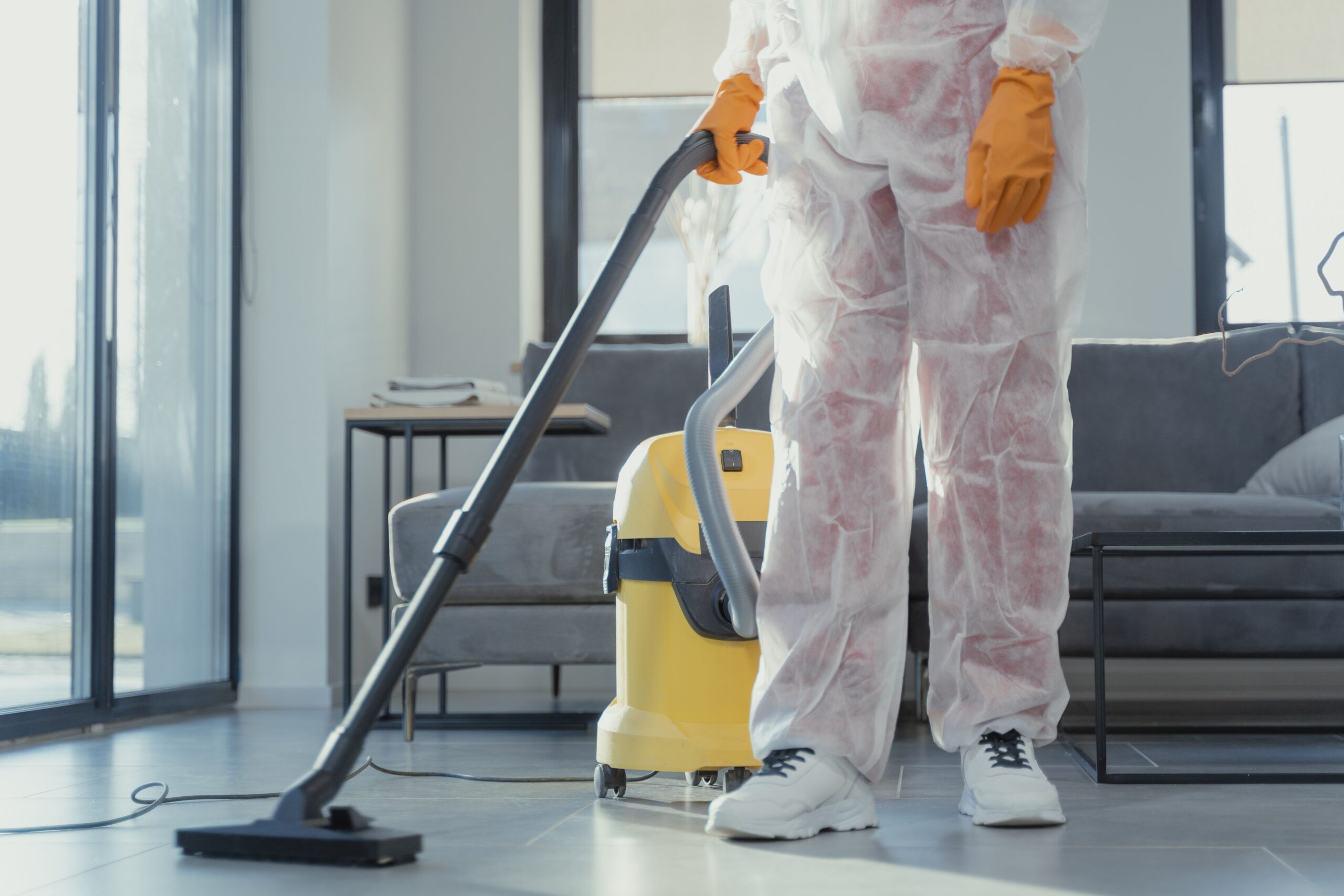
Using HEPA-filter vacuums, negative-air units, and microfiber cloths is essential for effective construction cleanup, as they catch the fine dust that sweeping can’t. Protecting sensitive surfaces and HVAC intakes by sealing vents during high-dust work is crucial, along with localized filtration to prevent dust from migrating to occupied areas. Routine dusting, wet-wiping, and mopping during phases, post trades’ rough cleaning, pre-finishes, and at project handover, ensures acceptable indoor air quality for workers and future occupants.
Material Separation
To ensure a clean environment during the construction process, it’s crucial to isolate recyclables, hazardous waste, and general debris at the source to avoid cross-contamination and meet compliance standards. Additionally, employing a thorough cleaning process by sorting surplus fixtures, tiles, and unused bulk materials can optimize logistics and reduce the risk of material rework.
Hazard Removal
Pinpoint sharps, exposed nails, tape, chemical bottles, and other hazards with inspections pre-cleaning. Protect workers and the environment with PPE, containment, and authorized disposal pathways for hazardous materials. The construction cleanup process encompasses glue pull, secure nail extraction, and metal shrapnel sweeps and tests to ensure there are no lurking hazards. These steps support regulatory compliance and limit liability while shielding site personnel.

Cost Versus Investment
Continuous construction cleanup has both obvious immediate costs and long-term value. Below are targeted deep-dives that equate upfront spend to long-term returns, detail what factors influence construction cleaning costs per square metre, and demonstrate how professional cleaning services shrink invisible costs that otherwise chip away at project margins.
Upfront Costs
Professional post-construction cleaning can cost from $0.15 to $0.75 per square foot, depending on the detail needed and site complexity. The construction cleanup services involve upfront costs divided between labor, equipment rentals or purchases (scaffolds, HEPA vacuums, scissor lifts), and specialty consumables like glass cleaners and surface-safe solvents. Big, multi-room spaces with glass walls and 15 ft. ceilings land at the higher end, requiring lifts and specialized teams. Sensitive finishes call for specialty non-abrasive supplies that are more expensive. Scale matters: a 5,000 m² open-plan shell will have different logistics and crew-day estimates than a 500 m² fit-out with many partitions. Now contrast that with normal janitorial rates of approximately $0.10 to $0.30 per square foot, which typically cover scheduled maintenance but not junk removal, hazardous waste disposal, or fine dust removal. Recurring cleanouts can be planned as periodic line items and compared to one final intensive clean. Regular professional cleaning services frequently smooth labor spikes and cut overtime premiums.
Long-Term Value
Clean sites significantly reduce repair and rework costs resulting from dust-locked mechanisms, grout staining, and abrasion that necessitate touch-ups later. By implementing a comprehensive construction cleaning process, businesses can quantify savings by tracking defect rates and re-clean orders. A modest monthly clean through professional cleaning services can cut warranty callbacks and schedule slips. Assets with a uniformly fresh finish enjoy higher perceived value and reduce handover times, accelerating leasing or resale conversions, ultimately enhancing the success of any construction project.
Hidden Expenses
Improper cleaning during the construction process adds to cost indirectly. Leftover debris from construction cleanup can result in failed inspections or fines, particularly where dumping regulations exist. Fines from construction dust break down HVAC efficiency, leading to increased energy consumption and filter expenses. Worker health and productivity decline in dusty, cluttered areas, extending schedules. By investing in professional cleaning services and the right methods and tools upfront, you can avoid these downstream costs and shield your schedule and reputation.
Customizing Your Plan
Customize your plan for construction cleanup. Custom plans start with a straightforward evaluation of project objectives, location constraints, budget, schedule, and wellness or safety preferences. Tailoring a construction cleaning service increases the probability of hitting goals, identifies potential hazards in advance, and informs decisions between regular and deep clean by need and price. A bespoke plan aligns resources, crew size, equipment, and materials, and establishes realistic milestones so cleaning facilitates overall project delivery instead of bogging it down.
Project Phases
Aligning cleaning tasks to milestones is crucial in the construction process: during the early, rough phases, focus on heavy debris removal and coarse dust control through professional cleaning services. Mid-stages require routine housekeeping to maintain a safe environment in work zones. Final stages need finish protection, a detailed clean, and polish for delivery. Phase-specific services such as bulk waste hauling, HEPA vacuuming, and protective film application where finishes are exposed are essential. Advance cleaning eases changeovers between trades, minimizing cross-contamination and rework triggered by leftover construction materials or debris.
Site Demands
When planning your construction cleanup, it’s essential to scope your site size, building type, and location. High-traffic areas may necessitate more frequent care and harsher abrasion-resistant measures. Sensitive surfaces like stone or electronics require specific products and skilled technicians from a professional cleaning service. Additionally, projects with infection control needs could require a comprehensive construction cleaning process that includes validated disinfection steps. Tailor approaches for commercial, residential, industrial, or hospitality locations to meet distinct finish types and compliance requirements.
Service Frequency
Set cleaning intervals to match activity: daily construction cleanup for heavy trades, weekly for steady progress sites, and milestone-based thorough cleaning before inspections or occupancy. Build in options, too. Timelines slip, so flip your frequency of changes fast when a phase moves faster, or scope expands. Frequent cadence maintains safety and minimizes build-up dust that affects air quality and finish adhesion. Costs vary with scope: typical standard rates range from 0.15 to 0.40 USD per square foot. Deep cleaning ranges from 0.50 to 0.90 USD per square foot, so budget decisions shape frequency and depth choices.
Technology In Cleanouts
Technology now supports how cleanouts are scheduled, completed, and validated, enhancing the construction cleanup process. These advancements allow crews to operate without disrupting facility operations, as much of the service takes place overnight or on weekends when locations are calm. Below are some concentrated takes on scheduling software, reporting tools, and efficient equipment, showcasing how they provide tangible value for professional cleaning services.
Scheduling Software
Smart scheduling connects clean tasks to project milestones, ensuring that construction cleanup crews show up immediately after dust-creating trades complete. This minimizes rework and restricts reentry into hot zones. Real-time updates push notifications to teams and project managers, so a delay in framing or surprise inspection triggers a reschedule and new work order. Tracking task completion on mobile apps displays what zones are cleared and which still need attention, streamlining the construction cleaning process and showing where supplies are needed. For companies operating several sites, this reduces admin overhead and increases synchronization between projects in different time zones or countries.
Reporting Tools
Digital reports replace paper logs and provide clients with clear records, including timestamps, scope completed, photos, and notes about issues found. The use of a construction cleaning checklist and photo documentation assists with quality control and demonstrates accountability to municipalities for cleanout placement, size, and access. Analytics on those reports uncover recurring issues, such as blocked runs near turns or foundation-adjacent cleanouts, enabling professional cleaning teams to modify maintenance frequency. Transparent reporting is valuable to stakeholders, showcasing how HEPA-filtered vacuums and pressure washers reduced contaminant spread compared to older methods.
Efficient Equipment
HEPA vacuums, industrial pressure washers, and specialty cameras are essential in the construction cleanup process, redefining what crews can achieve without invasive digging. High-powered vacuums efficiently pull out micro dust and construction residue, while power washers blast compounds from concrete and metal surfaces. Additionally, pipe cameras and sensors enable technicians to inspect lines and identify blockages or leaks, enhancing the accuracy of repairs. Choosing the right equipment, such as threaded or twist-off cleanout caps, plays a crucial role in durability and access. Regular maintenance of these tools not only keeps them reliable but also lowers long-term costs, ensuring a clean environment for successful construction projects.
Conclusion
Here’s why ongoing construction cleanout saves big. Daily cleanouts reduce the chance of accidents and minimize cleanup time at handover. Crews operate more efficiently in clear areas. Waste goes out quickly, which slashes disposal costs and aids compliance with local regulations. Technology such as drones and apps expedite inspections and monitor debris by weight and category. Custom plans suit mini remodels or huge builds and cost less than single deep cleans. Pick a partner who demonstrates results, provides transparent pricing, and uses technology for validation. Transparent, consistent cleanouts liberate crews to concentrate on craftsmanship and meet deadlines more frequently. Prepared to transform the disorganized site into consistent advancement? Contact us for a plan that suits your next project.
Frequently Asked Questions
1. What Are The Main Benefits Of Ongoing Construction Cleanout Services?
Ongoing construction cleanup minimizes safety hazards, contains dust, accelerates projects, and safeguards finishes, ensuring a clean environment and boosting worker productivity.
2. How Often Should Cleanouts Be Scheduled During A Project?
The cleaning process varies based on the construction project size and phase, with weekly or biweekly construction cleanup services being common for active sites. During the finishing stages, daily cleanouts are essential to maintain a clean environment by managing dust and debris.
3. Do Ongoing Cleanouts Save Money In The Long Run?
Yes. Professional construction cleaning services minimize rework, injury claims, and protect materials and schedules, saving money compared to occasional deep cleanups.
4. What Specific Tasks Are Included In Construction Cleanout Services?
Typical tasks in the construction cleanup process include debris removal, sweeping and vacuuming, dust control, waste segregation, and final touch-up cleaning for handovers.
5. Can Cleanout Services Help With Regulatory And Environmental Compliance?
Yes. Expert construction cleaning crews adhere to local waste-handling laws, segregate recyclables, and provide disposal records, assisting compliance with environmental and safety standards.
6. How Do I Choose The Right Cleanout Plan For My Project?
Evaluate the project size, schedule, and materials, including any leftover construction materials in high-risk zones. Choose a provider offering professional cleaning services with flexible schedules and a transparent scope.
7. Are There Technologies That Improve Cleanout Effectiveness?
Yes. HEPA vacuums and dust-monitoring sensors are part of the professional cleaning services that minimize dust and ensure a clean environment.
Construction Cleanouts + Demo That Keep Your Project Moving
Construction and renovation projects create debris fast. Junked: Powered by Veterans™ provides professional construction cleanouts and demolition services throughout the Bay Area, helping contractors, property owners, businesses, and property managers keep job sites clear and ready for the next phase.
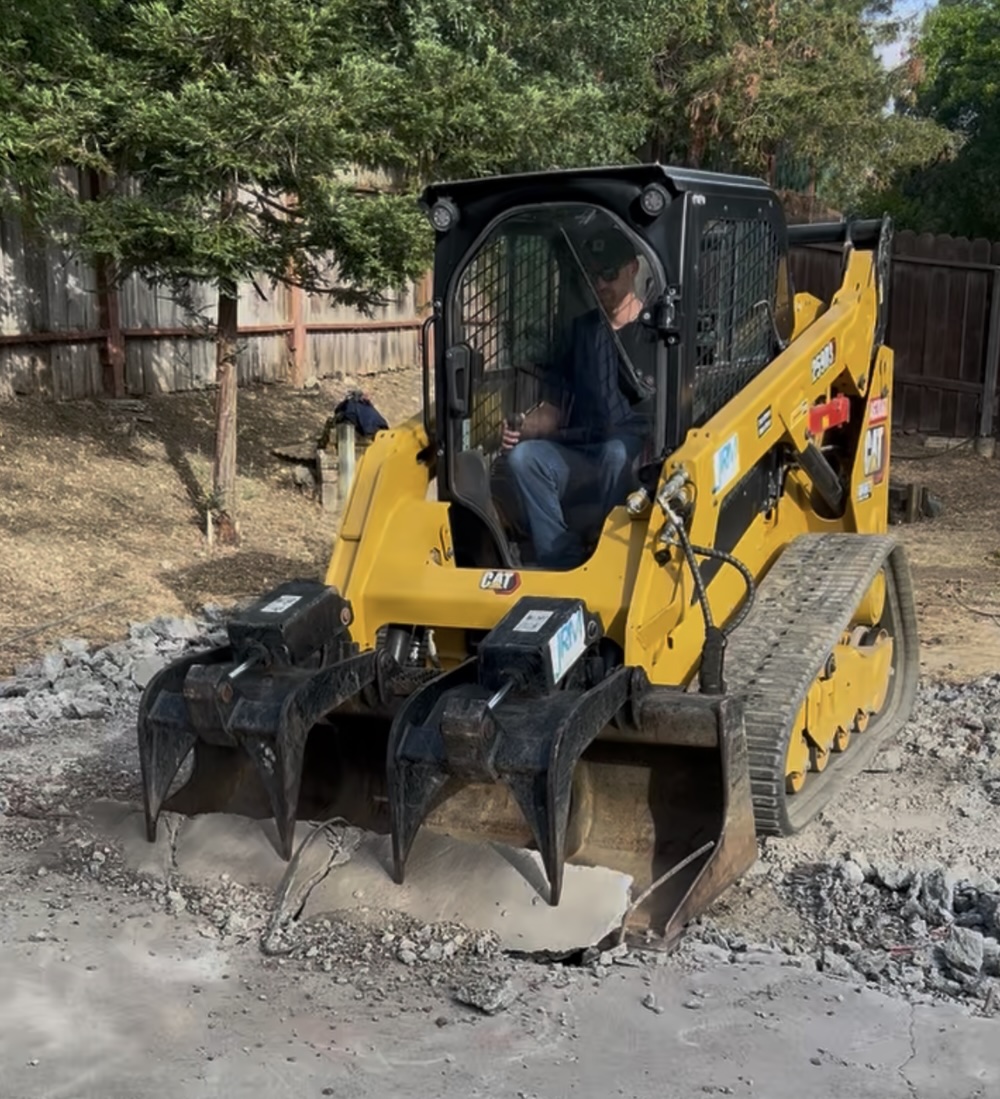
From interior demolition and remodel cleanouts to construction debris removal, we handle the heavy lifting, hauling, and cleanup. Our veteran-led crew can remove drywall, flooring, cabinetry, fixtures, lumber, and other unwanted materials safely and efficiently.
A cluttered job site can slow down crews and create unnecessary delays. Junked: Powered by Veterans™ makes cleanup simple by combining demolition, debris removal, and hauling into one dependable service.
Whether you need a one-time cleanout or ongoing cleanup during a renovation or buildout, we’re ready to help keep your project moving.
Disclaimer
The materials available on this website are for informational and entertainment purposes only and not to provide legal or professional advice. You should contact your attorney or home improvement specialist for advice concerning any particular issue or problem. You should not act or refrain from acting based on any content included in this site without seeking legal or other professional advice. The information presented on this website may not reflect the most current home improvement developments. No action should be taken based on the information on this website. We disclaim all liability concerning actions taken or not taken based on any or all of the contents of this site to the fullest extent permitted by law.