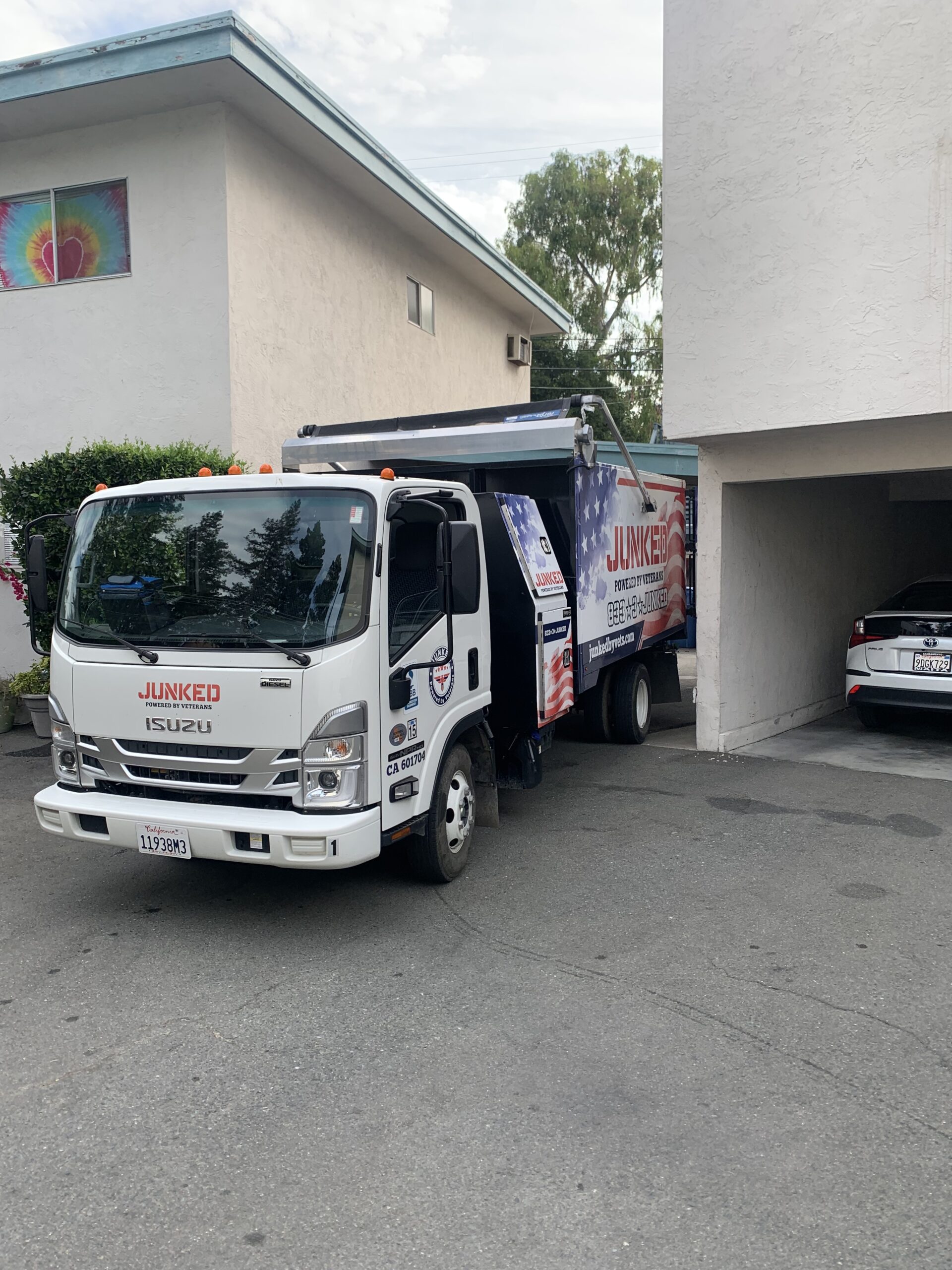
Safe sorting and staging of junk prior to pickup involves grouping, inspecting, and positioning unwanted things in a manner that reduces hazard and facilitates removal. Begin by moving sharp or heavy objects away from doorways and footfall. Put small bits in sturdy bags or boxes to prevent leaks. Clearly label any special items such as electronics or batteries so the crew is aware of what to handle with care. HOW TO SAFELY SORT & STAGE JUNK BEFORE PICKUP. Collapse big stuff, if you can, to maximize space. Wear gloves and closed-toe shoes to assist in avoiding cuts or crushed toes. With these tips, anyone can prepare for junk pickup with ease and no casualties. The corresponding section breaks down each step in detail.
Table of Contents
ToggleKey Takeaways
- Carefully plan and organize your sorting process by identifying specific areas, setting a detailed timeline, and involving others for efficiency. This ensures a systematic approach with minimal stress.
- Sort into clearly labeled piles (keep, donate, dispose) to speed up decision making and encourage mindful decluttering.
- As you sort, use proper supplies such as gloves, masks, boxes, and labels, and follow your local laws for hazardous and recyclable materials, doing so with safety and compliance in mind.
- Designate clearly labeled sorting areas and keep staging space open and convenient to ensure efficient junk removal and reduce hazards for all parties.
- Conquer the emotional hurdles of decluttering by establishing reasonable objectives, minimizing decision overload, and engaging your family to keep spirits high and ensure you’re not mindlessly tossing sentimental items.
- Think about pro junk removal services for bulky or dangerous goods and pledge to aftercare routines like donating items in good condition. Periodically re-evaluate your area to keep it organized over time.
Prepare for the Sort
Sorting and staging your junk prior to pickup is a crucial step that reduces stress, saves time and can even reduce costs. A little planning goes a long way when decluttering. Selecting easy areas to sort and stage, making a plan, and recruiting others makes the process more efficient. Begin summer mit einer Aufteilung, welche Orte in deinem Zuhause aufgeräumt werden müssen. Typical zones are garages, closets, attics, basements, and storage rooms. Consider shared spaces or outdoor sheds.
Number each item as you review:
- About – Get ready for the Sort
- GIVE – Collect items in great condition that bless others.
- Take away: Check off broken, battered, or out of date for the bin.
It assists the removal crew to know what remains and what leaves and eliminates any ambiguity. Labeling things that are fragile or heavy avoids accidents. Give yourself a deadline to complete the sort, perhaps over a weekend or in more manageable chunks throughout the course of a week. Enlist family or housemates to assist in the dividing of work, accelerate sorting and double-check decisions.
Assess Your Junk
Begin in a room and sort through. Take EVERYTHING you haven’t worn in the last year and question its usefulness. About: Get ready for the Sort. Bunch together old electronics, worn furniture, and too-small clothing. A few things may be worth selling—look them up online before you dump them. Snap some clear pictures of things you want to sell or donate for documentation.
Gather Supplies
You will want some sturdy boxes, big bags or bins to wrangle the various categories. Heavy-duty, sealable bags are great for soft goods or small pieces. Keep labels or colored tape on hand to identify each box’s destination or contents. Gloves and masks guard you against dust or jagged edges, particularly when tackling storerooms or attic spaces. To keep things slick, collect all your supplies in one area so you are not constantly looking as you sort.
Check Regulations
Look up your local regulations for dropping off hazardous waste, e-waste, or bulk items. A lot of places prohibit or special-handle materials from landfills. Know your city’s recycling rules so you don’t just toss recyclables in with trash. Check pick-up schedules. Some places only collect bulk on specific days or restrict how much you can put out at a time. When in doubt, give your local waste management office a ring. They’ll provide the do’s and don’ts with clarity. This helps you avoid last-minute surprises and guarantees you dispose of it responsibly.
How to Safely Sort Junk
Safe junk sorting is an important step in any decluttering mission. It avoids injuries, simplifies disposal, and facilitates organized recycling or donating. By sorting things into piles of keep, donate, or remove, it clarifies and streamlines the process. A cautious, methodical strategy further helps minimize environmental toll and stress.
- Be sure to always wear gloves, closed-toe shoes, and long sleeves for protection.
- Have a first aid kit nearby just in case.
- Handle in a well-illuminated, well-ventilated area to prevent injury.
- Stay hydrated and rest when needed to prevent fatigue.
- Confirm what your local junk removal service will accept.
- Separate trash, recyclables, and donation items clearly.
- Plan your removal ahead so you don’t get hit with overages or have to wait.
Protect Yourself
Wear strong gloves to protect your hands from shards. Hard-soled shoes protect your feet if something heavy drops. Always lift heavy things with your knees and legs, not your back, to avoid strains. Good light lets you see hazards like nails or glass. Be sure you have a clear path as you sort, so you don’t stumble on piles or boxes. Accidents occur frequently when navigation is impeded by clutter.
Create Sorting Zones
Set up clear areas for each category: keep, donate, trash. Color-coded tape or signs can assist in marking each zone. Set up zones in convenient, non-cluttered locations. Organize by category and collect all electronics, clothes, and more to maintain quick sorting and easy decisions.
Separate by Category
Separate furniture, clothing, and electronics into their own piles. Separate anything that requires special handling, such as appliances with batteries. Use bins or boxes to keep things tidy and labeled, so nothing gets mixed up. Nice labeling minimizes errors when you stage for pickup.
Isolate Hazardous Waste
Pull out the batteries, chemicals, and electronics at the beginning. Keep these in a secure, closed-off space. Be sure to check your local rules for hazardous waste. Disposal varies widely. If required, schedule a special pickup for these items to remain compliant and safe.
Handle Bulky Items
Figure out how you’ll get big furniture or machines out in advance. Know what will fit by measuring doors, halls, and lifts. Dollies and other tools make moving easier and safer. Disassemble large items if possible, as this reduces hazards and labor. Consult your junk service if they accept bulky items and adhere to their recommendations to avoid issues.
Effective Junk Staging Tips
Staging junk for pickup is more than just placing things in a pile. This strategic staging makes the most efficient use of staging area space, reduces safety risks, and facilitates the junk removal process for everyone. Here’s an easy plan: select a location, clear pathways, then gather like items. Sorting everything with ‘keep,’ ‘donate,’ and ‘remove’ tags forces you to be fast with your choices and honest with yourself about what remains or leaves. If you haven’t used something in 6 months, it’s time to let it go! Getting the whole family involved will accelerate the work and keep everyone interested.
Choose a Location
- Select a location that is convenient for the crew to identify and access, like your front property or close to a primary door.
- Stay away from walkways or other high-traffic locations to minimize the chance of tripping or accidents.
- For larger things, driveways or garages are great, but ensure there is room for movers to maneuver safely.
- If you’re staging outdoors, leverage a spot that is protected from rain or beating sun.
- If pickup is early morning or evening, turn on outside lights to assist the removal team in working safely.
Ensure Clear Access
Clear the path – remove anything in the way of the pickup team, like garden tools, bikes, or parked vehicles. A clear path is the secret. Sweep away loose debris and trim overgrown plants along walkways. If the staging area is difficult to locate, post cheap signs along the way. This assists the crew in locating the junk quickly, particularly in big apartment blocks or communal areas. If you know of any access barriers, such as a narrow gate or stairs, inform the crew in advance. Booking ahead provides you time to resolve any access problems and allows the provider to schedule the pickup, often with same- and next-day availability.
Consolidate and Contain
Contain smaller items in strong bins or bags to prevent things from leaking and maintain order. Mark each box ‘Donate,’ ‘Trash,’ or ‘Keep’ to save your removal team time. Stack bins and boxes to conserve floor space, ensuring that nothing is too heavy or difficult to pick up. Don’t overfill containers, as bursting boxes can tear and spill during pickup. Anything still in good shape can be reserved in a “Donate” bin. Local charities are usually eager to take gently used household items off your hands, cutting down on waste and supporting the community. For junk, employ sturdy bags to maintain tidiness and prevent seepage. Three containers or bags for “Keep,” “Donate,” and “Trash” will help you maintain the momentum.
The Overlooked Mental Game
Sorting and staging junk before pickup is more than just physically moving objects. Behind every choice to stash or purge, there is a mental game influenced by sentimentality, nostalgia, and anticipation. Clearing out clutter can trigger stress and anxiety, a little like too many browser tabs open in your head. Research associates cluttered spaces with depression and mental fatigue, so addressing the mental game is the key to successful decluttering and creating a healthy space.
Overcome Decision Fatigue
Decision fatigue sinks in fast when everything clamors for your gaze. Otherwise you’ll feel overwhelmed, so cap the time on each! For instance, time yourself and allow only a couple minutes per item or small stack. Employ a checklist to make consistent, rapid decisions, such as ‘keep’, ‘donate’, ‘recycle’, ‘discard’. An emphasis on one category of item, such as clothes, books, or electronics, at a time keeps your mind clear and your will focused. For objects with emotional value, go with your gut. If hesitation persists, allow yourself a six-month trial. If you don’t use it by then, drop it.
Process Sentimental Items
Sentimentals require consideration, set aside and return after you’ve gained ground elsewhere. Processing each, pause to recall the memories connected. Sometimes taking a photo saves the spirit without the physical item, which is great for old awards, kids’ art, and souvenirs. If it means something to others, talk with family before you decide. This can make the guilt easier and help you figure out what’s really worth saving.
Maintain Your Momentum
To stave off discouragement, celebrating every little victory, such as making a dent in a drawer or a box, is an excellent motivational hygiene practice. For example, short-term, concrete goals like completing one shelf per day help track progress. Mini-breaks are critical for recharging, but steer clear of distractions that derail your flow. Daydreaming about the rewards, such as a fresher start, less stress, and a calmer space, reminds you what you’re about. Constructing easy morning or evening rituals of tidying up empowers you to keep things in order and remain in control long after the great sort is complete.

When to Call Professionals
It may look simple to sort and stage junk prior to pickup, but sometimes calling in the professionals is your safest and most effective option. The table below outlines common junk removal options with key details to weigh for each:
Option | Ideal For | Pros | Cons |
DIY Removal | Small, manageable loads, non-hazardous items | Low cost, more control | Time-consuming, risk of injury |
Professional Junk Service | Large/heavy items, tight deadlines, hazardous | Speed, safety, expertise, less stress | Cost, must vet provider |
Donation Pickup | Usable furniture, electronics, clothes | Helps others, tax-deductible in some cases | Limited to accepted items |
Municipal Bulk Pickup | Standard household items, scheduled pickups | Often free, simple rules | Strict limits, limited scheduling |
If you have bulky or heavy items, like old beds, fridges, or even pianos, it’s wise to hire a pro. They have equipment and robust crews to hoist, transport, and stack huge items without damage or chaos. When junk contains electronics, batteries, paint, or chemicals, these need to be handled safely. Leave hazardous waste to the trained pros because it can hurt people and the environment if dumped incorrectly.
Time is another consideration. If you’re on a deadline or just have a mountain to conquer, a professional crew can sort and stage in hours. This tends to be more effective than banging your head against the wall for days or weeks. If you’re not sure what can be recycled or donated, the majority of services provide guidance. They assist in reducing garbage by categorizing for recycling, donation, or reuse, thus resulting in much less in the landfill.
Health and safety play a role as well. Junk, back pain, limited strength or health issues can make carrying heavy junk exacerbate these conditions. Pros are trained not to get hurt and come equipped with safety equipment for hazardous work, like mold, asbestos or lead paint, which require professional remediation.
Selecting a reputable junk removal service is essential. Seek out companies with transparent prices, good reviews, and responsible disposal methods. Inquire about their insurance and verify that they adhere to local regulations regarding hazardous waste and recycling.
Beyond the Pickup
Decluttering is hard in any room, but a clear schedule makes it easier and less stressful. Once you’ve picked and staged junk for pickup, what comes next counts as much as what came first. After the pickup is done, it’s helpful to understand what comes next and how to keep your space decluttered.
Amongst the junk removal, a quick post-junk review aids in identifying leftovers or service oversights. Separating everything into “keep,” “donate,” and “trash” piles from the very beginning is crucial. This doesn’t just simplify the pick up, it facilitates decisions on what to do with leftovers. For example, electronics and hazardous waste frequently require special processing. Make sure to check with your local service if they do, or if you need to bring them to a recycling center. By confirming what exactly the junk service takes, it saves time and confusion. Weather can be a factor. Rain or heat can put a damper on the operation or influence where you stage goods. Just remember to cover it up or relocate it if necessary.
Giving away reusable goods is a positive move for both the community and earth. Most local charities will take furniture, clothes, or functioning appliances. Seek out donation centers or groups that support those in need. This can transform your trash into treasure. Serious businesses always verify donation guidelines. A few groups have rigid rules about what they can collect, so calling ahead or checking online is wise.
Even looking back on the decluttering process helps. Take a few minutes to reflect on what succeeded and what failed. It’ll help you build new habits and prevent future piles. Perhaps you discovered that processing as you go or building in a monthly review makes a huge difference.
To maintain your space, continue evaluating what you possess. Monthly or seasonal checks ensure things remain neat. If you notice the clutter beginning to grow again, make some small efforts to address it.
Step | Action |
1. Inspect Space | Check for leftover items or debris after pickup. |
|2. Donate| Bring wearable or sellable items to a thrift store.
| 3. Think back. Consider your workflow and optimize it.
| 4. Maintain organized regular cleanups.
Conclusion
It means sorting and staging junk safely, which takes more than shoving stuff out of sight. Design every step, wear good equipment, and maintain unimpeded access. Mark what stays and what goes to reduce stress. BIG STUFF FIRST, THEN STAGE BY TYPE. Be on the lookout for sharp or heavy bits, wear gloves, and pace yourself. Stash piles tidy and near where the pickup crew can access them. Consider the mental burden as well. Open space opens your mind. For hazards or massive tasks, call in experts. Sort with concern and the work proceeds smoothly. Drop your own tips or queries below. Let’s help each other stay safe, sorted, and staged.
Frequently Asked Questions
1. What Should I Do Before Sorting My Junk?
Start by putting on gloves and a mask. Collect boxes or bins to sort into. Just be sure you have sufficient working space and proper illumination.
2. How Can I Safely Sort Hazardous Materials?
Separate batteries, paint, electronics, and other items. Consult local disposal guidelines. Don’t ever combine hazardous waste with your junk. You’re putting your health at risk!
3. What Is the Best Way to Stage Junk for Pickup?
Sort like with like. Naturally, put the heavier things on the bottom. Make sure to keep walkways accessible. Mark or segregate anything that needs special handling.
4. How Can Sorting Junk Affect My Mental Well-Being?
Decluttering lowers stress and raises your spirits. Sorting in small steps prevents you from becoming overwhelmed. Take breaks to keep your mindset fresh and positive.
5. When Should I Contact a Junk Removal Professional?
Ring in the pros if you’ve got large, heavy, or hazardous items. They possess the appropriate equipment and expertise to undertake challenging tasks securely.
6. What Happens to Junk After It Is Picked Up?
A lot of them recycle or donate stuff that is still useful. Hazardous materials are handled safely. Ask your provider about their disposal process for peace of mind.
7. Can I Recycle or Donate Items Myself Before Pickup?
Yes, you can donate or recycle many items such as clothes, electronics, and furniture. See what your nearby donation centers or recycling facilities accept.
Save Time and Reduce Costs
Preparing your junk for pickup doesn’t have to be stressful or risky. By carefully sorting, labeling, and staging your items—whether it’s bulky furniture, old appliances, or hazardous electronics—you make the removal process faster, safer, and more efficient. At Junked by Vets, our professional team handles the heavy lifting and responsible disposal, saving you time, reducing costs, and keeping your home and yard hazard-free. From safely managing hazardous materials to maximizing space during pickup, we make decluttering simple and stress-free. Schedule your pickup today and let us turn your clutter into cleared space—quickly, safely, and responsibly.
Disclaimer
The materials available on this website are for informational and entertainment purposes only and not to provide legal or professional advice. You should contact your attorney or home improvement specialist for advice concerning any particular issue or problem. You should not act or refrain from acting based on any content included in this site without seeking legal or other professional advice. The information presented on this website may not reflect the most current home improvement developments. No action should be taken based on the information on this website. We disclaim all liability concerning actions taken or not taken based on any or all of the contents of this site to the fullest extent permitted by law.